A New Path for Drug Development
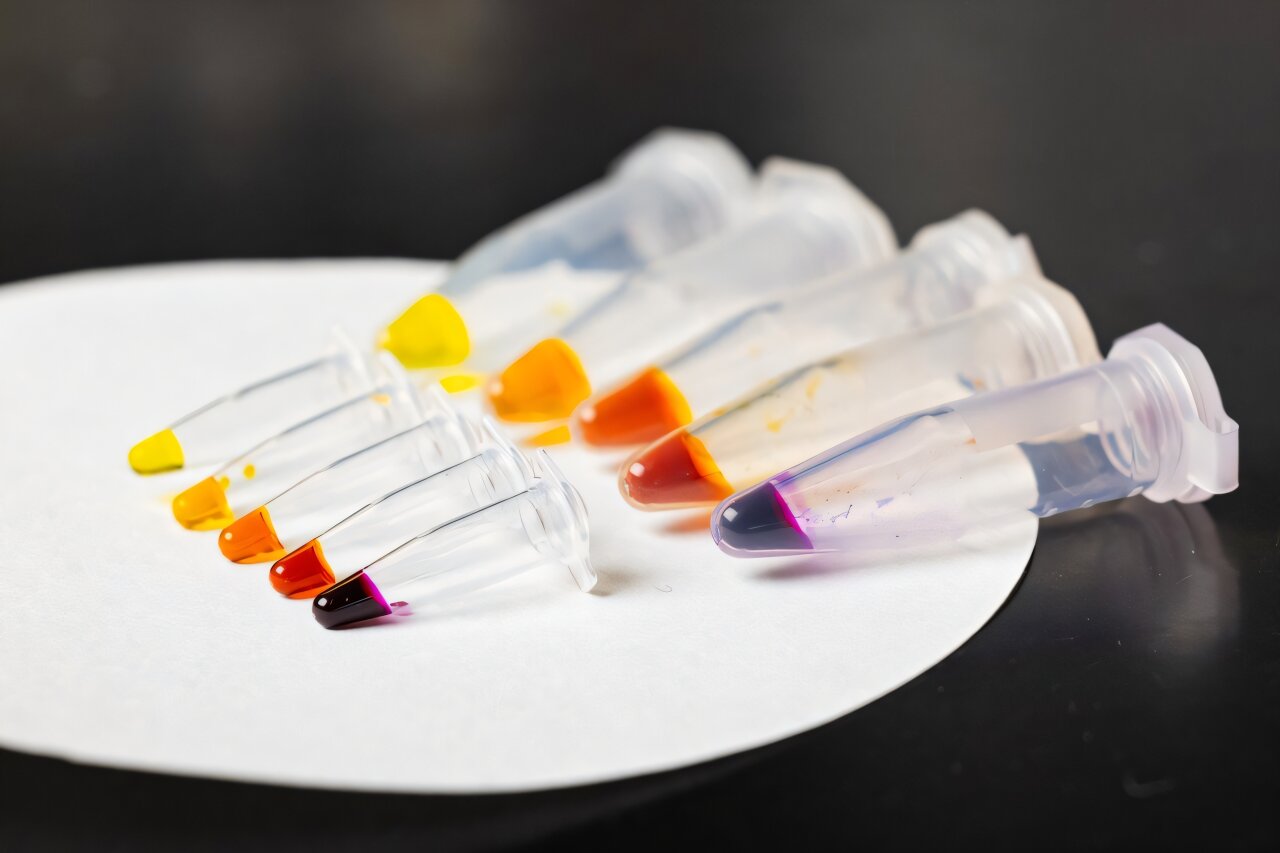
Scientists modified chemical compounds to target mitochondria within cells, potentially increasing medication efficacy in drug development.
Making Science Make Sense

Scientists modified chemical compounds to target mitochondria within cells, potentially increasing medication efficacy in drug development.
A cancer vaccine using a special type of molecule is one of the newer research trajectories aimed at improving cancer treatment.
Alzheimer’s disease diagnosis is sped up by a blood test that detects proteins known to be found in the brains of AD patients.
Agricultural pesticides stay in the air long after they are sprayed, latching onto particles in the air instead of breaking down.
Scientists test protein upcycling by using maize leftovers to grow mushrooms, then using the more nutritious by-product to feed earthworms.
Chronic pain management may have a new angle, with a recent finding that regulatory T cells in female mice influence their pain perception.
Biomedical engineers at Georgia Tech are designing a cellular tool to detect disease without the need for complex and costly lab equipment.
Glucose monitoring patches developed to be more flexible and comfortable, offering better diabetes treatment.
Surprising link made between “good cholesterol” and eye disease in new study: What do we need to know for overall health?
Increasing amounts of plastic in our brains has scientists questioning how microplastics impact cognitive health.