Exercise Observed to Reduce Risk of Alzheimer’s Disease
Alzheimer’s disease prevention may be a few workouts away, as new research hones in on how exercise affects brain health.
Making Science Make Sense

Alzheimer’s disease prevention may be a few workouts away, as new research hones in on how exercise affects brain health.
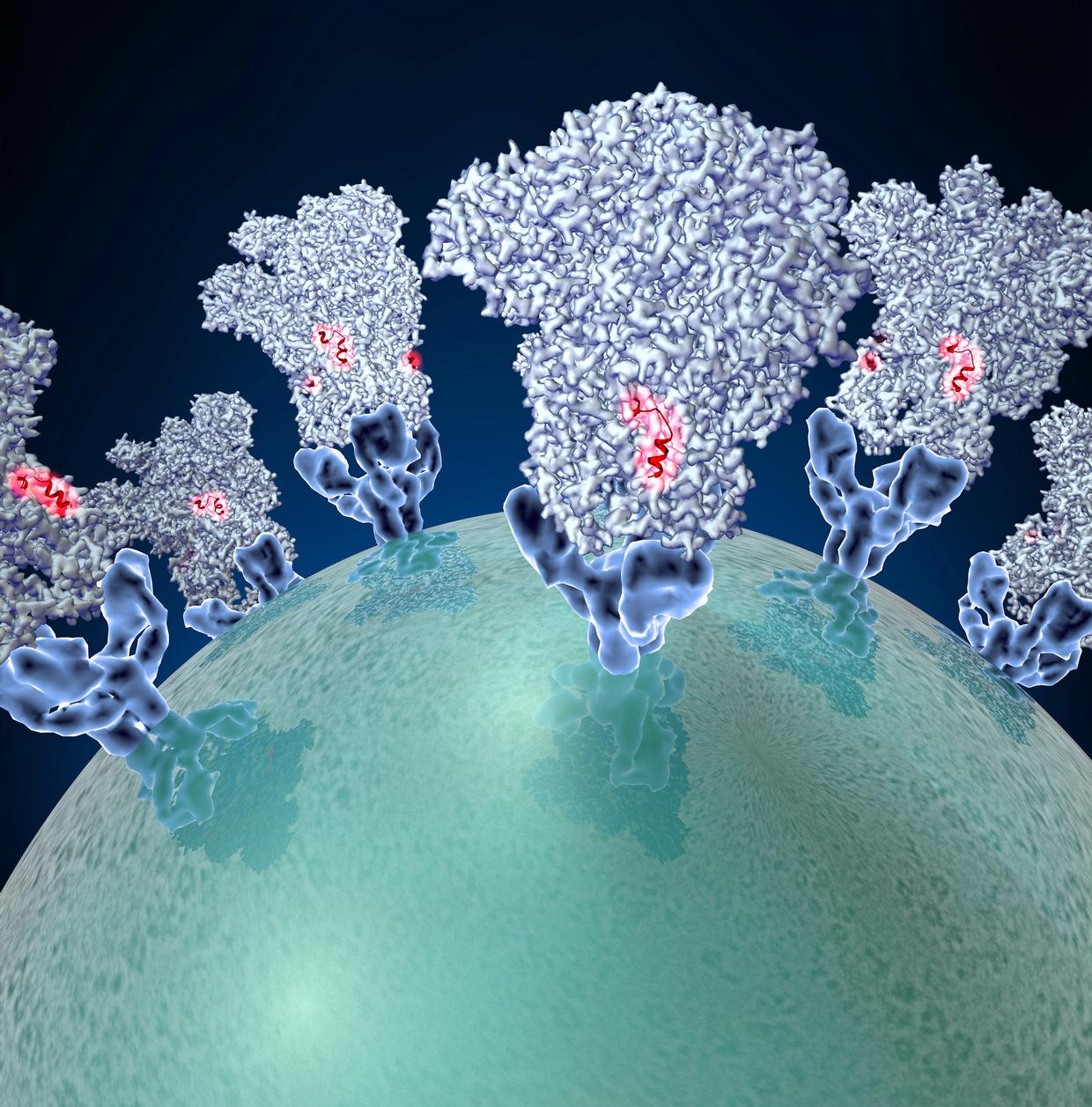
In a new study by MIT and Caltech, a nanoparticle vaccine could protect against SARS-CoV-2 variants and similar animal-borne coronaviruses.
Structural sexism is linked to women’s higher rates of Alzheimer’s, among other negative health outcomes identified in recent study.
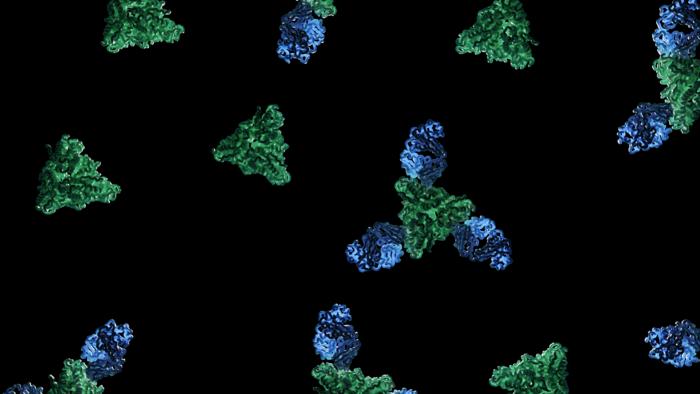
With a rising need for measles treatment worldwide, scientists have uncovered a new way to protect those who can’t be vaccinated for it.
Antipsychotics haven’t had a straight-forward path in research, but recent efforts yielded a new FDA-approved drug to treat schizophrenia.
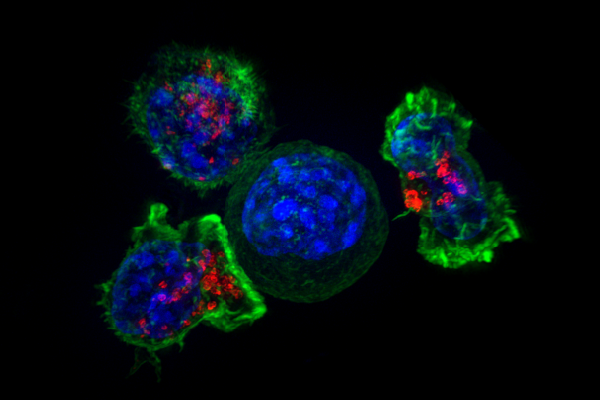
Researchers evaluated the effectiveness of an immunotherapy method for treating cancer called CPI, using a trove of patient data.
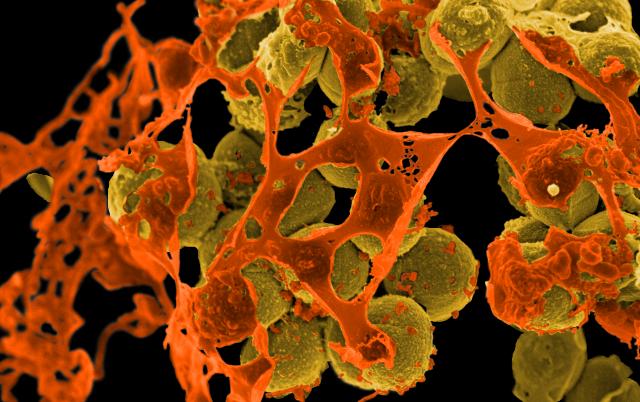
Infections from antibiotic resistant bacteria can be treated with small proteins found in the microbiome according to a new study.
Malnutrition affects hundreds of millions of children around the world. Scientists think lipid-based nutrient supplements might help.
Cancer treatment scientists have developed an add-on therapy that could help patients’ own immune systems tackle resilient cancers.
The most common type of heart failure, HFpEF, is associated with diabetes and obesity, and this influences what makes effective treatment.