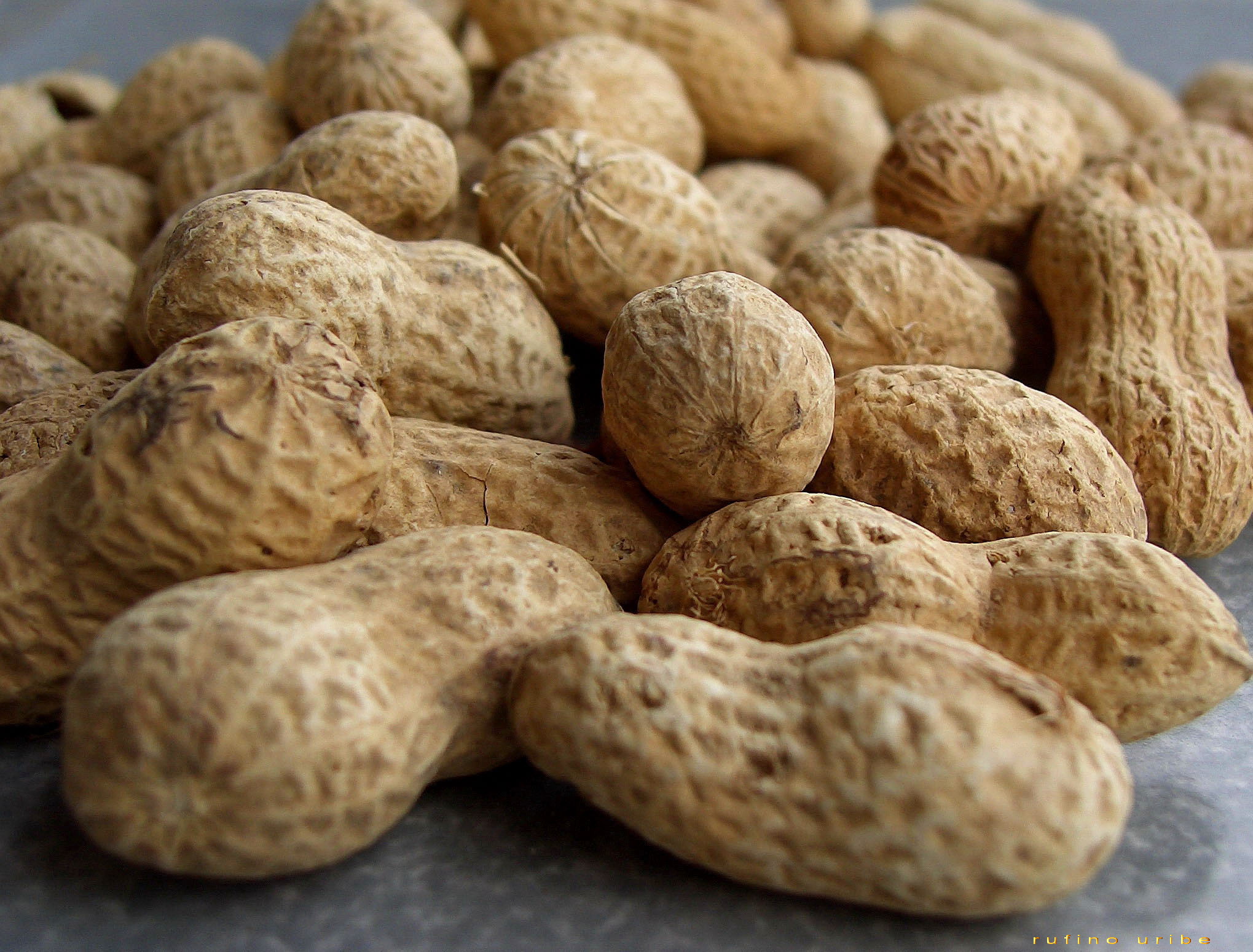
Eating Peanuts for Peanut Allergy Protection: A New Study
Can you prevent a peanut allergy? Scientists found that introducing peanuts into the diet during infancy protected from allergic reactions well into adolescence.
Making Science Make Sense

Can you prevent a peanut allergy? Scientists found that introducing peanuts into the diet during infancy protected from allergic reactions well into adolescence.
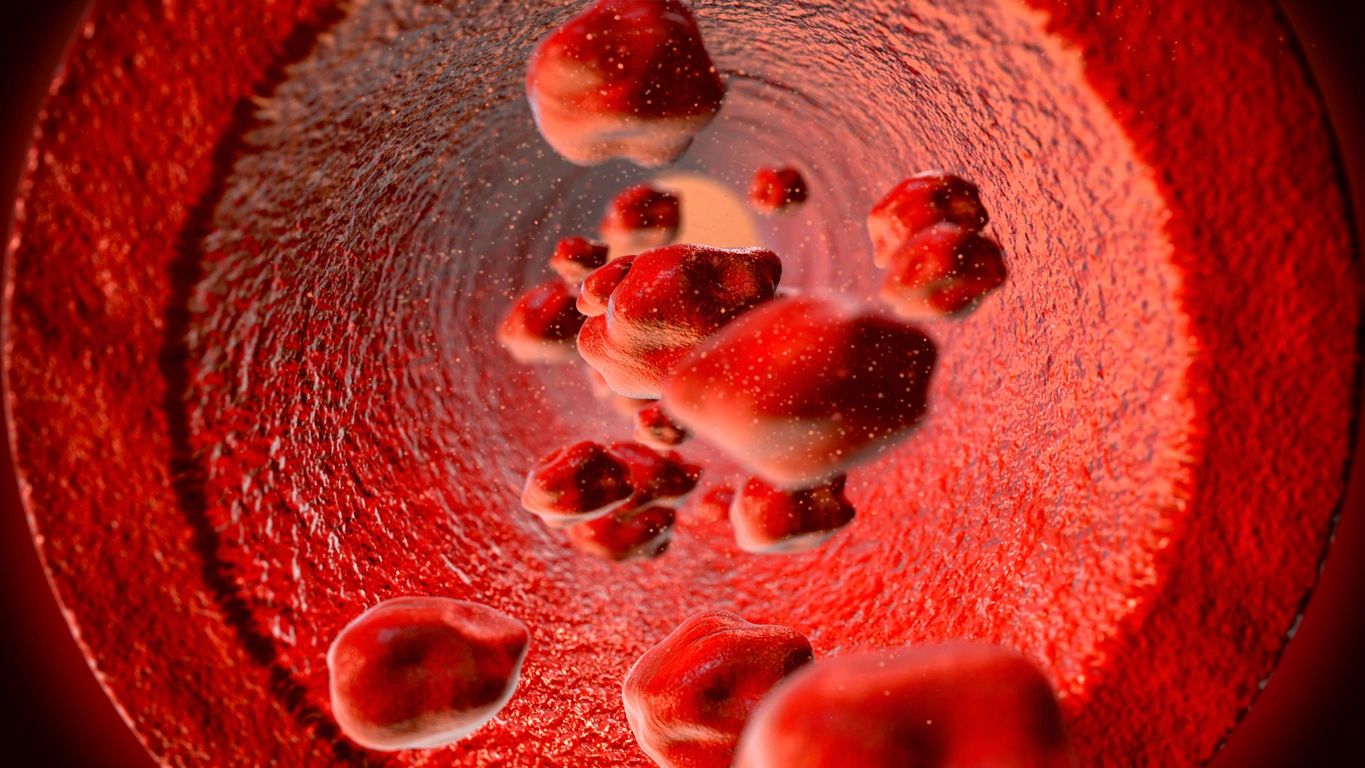
Emerging research on a 3D protein structure within red blood cells tells us how this and similarly shaped proteins work in the body.
Researchers used baker’s yeast to produce two compounds important to antipsychotic drugs: alstonine and serpentine.
Scientists study role of mRNA and protein synthesis to overcome infections. This finding could lead to improved crops and medical treatments.
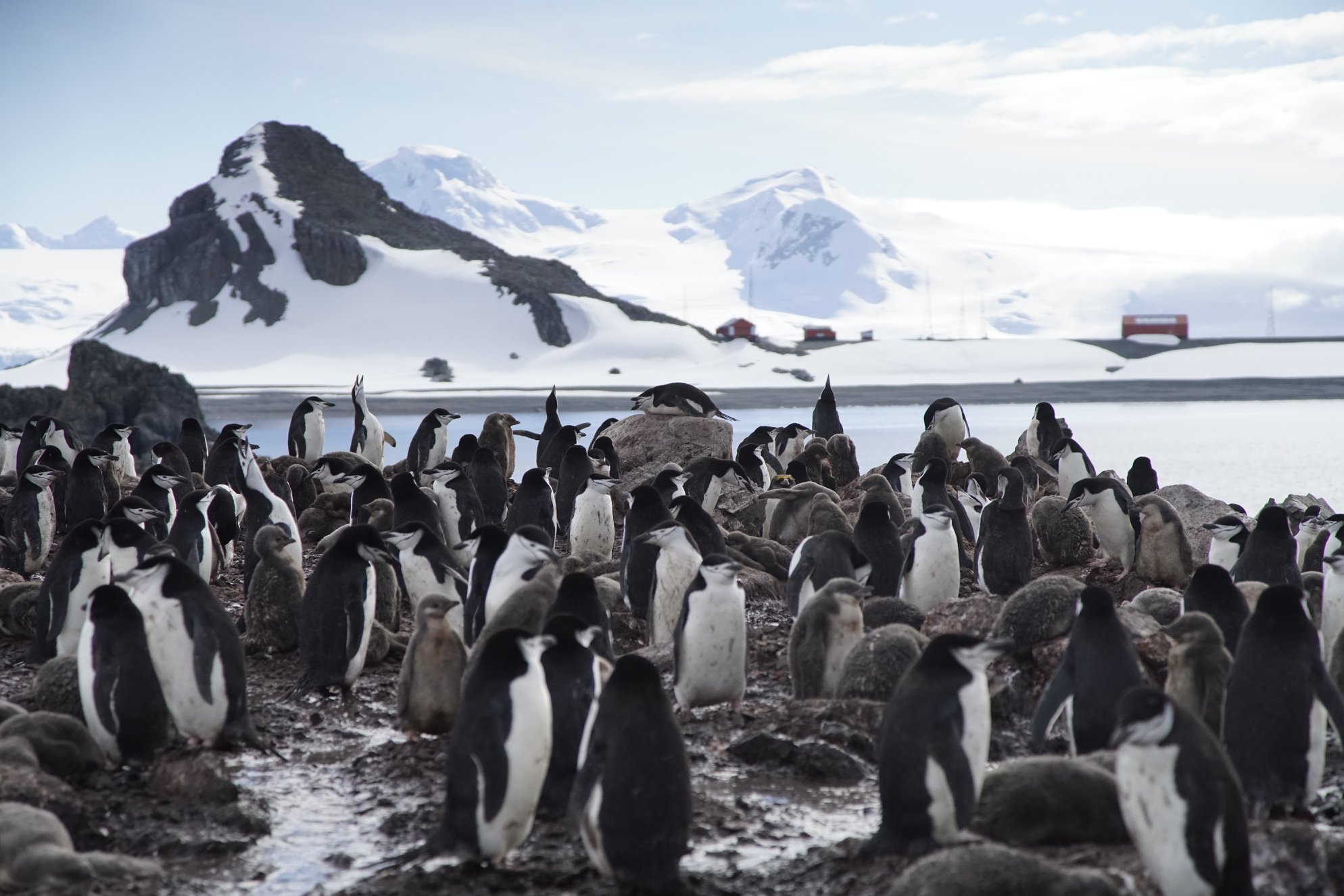
Travelers with FjordPhyto sample phytoplankton in Antarctica, helping scientists learn how this fertile ocean region is changing.
X-rays reveal how cholera bacteria from contaminated food and water effectively survives in the human gut.
Researchers analyzed the likelihood of bipedal movement in hominin ancestors using muscle reconstruction technology.
Brain evolution in the Heliconius butterfly is linked to their specific feeding preferences and foraging behaviors.
Odor profiles are an emerging way to identify and classify individuals based on the chemical compounds naturally released from our hands.
What parents eat impact their children. The diets of parents affect how their children’s genes work in a process called epigenetics.