







Many peoples’ favorite aquarium fish are bought and sold in the online marine aquarium trade, being sourced from the wild. Scientists explore the possible impacts of this activity on at-risk marine fish populations and ecosystems, and more sustainable options.
By Christopher Clark
The online aquarium market has greatly increased the rate at which consumers around the world buy marine fish. Several hundreds of species are available, with different variations of many.
Yet, high consumer demand for these fish presents a real risk to many species and their environments. A team of researchers, led by Dr. Bing Lin at the University of Sydney, investigate the key elements of the online marine aquarium trade, and suggest approaches to lower the risk to vulnerable fish species and their environments.
The online marine aquarium trade: an overview
The marine aquarium market is an industry that yields billions of dollars globally per year, with many sales occurring online. A large portion of the demand comes from consumers in the United States. To meet demand across the world, most of the fish are wild-caught. A major issue that the researchers address is the relatively low amount of monitoring and regulation of this industry, leading to many data gaps. This makes it difficult to assess the impact of methods used to acquire the fish, and how the status of many species is truly affected.
To gain a better understanding of the online marine aquarium trade as a whole, Bing Lin and his team investigated 4 relevant big e-commerce platforms in the United States: Live Aquaria, Blue Zoo Aquatics, Saltwaterfish.com, and That Pet Place. They collected data on each fish variant’s taxonomy, dealer-reported source (they can be captive bred [such as with aquaculture], wild caught, or both), region of origin (if wild caught), and retail price for each of the platforms. The researchers also filtered the searches to include only select families of marine ray-finned fish (known as Actinopterygii).
This process was taken a step further when the scientists acquired information from FishBase and the International Union for Conservation of Nature (IUCN), authoritative databases of wild fish species, for each species. This includes their maximum body length, normal depth range at which they live, diet, and extinction risk status. These factors and more were assessed for their correlation with the average retail prices of the fish species.
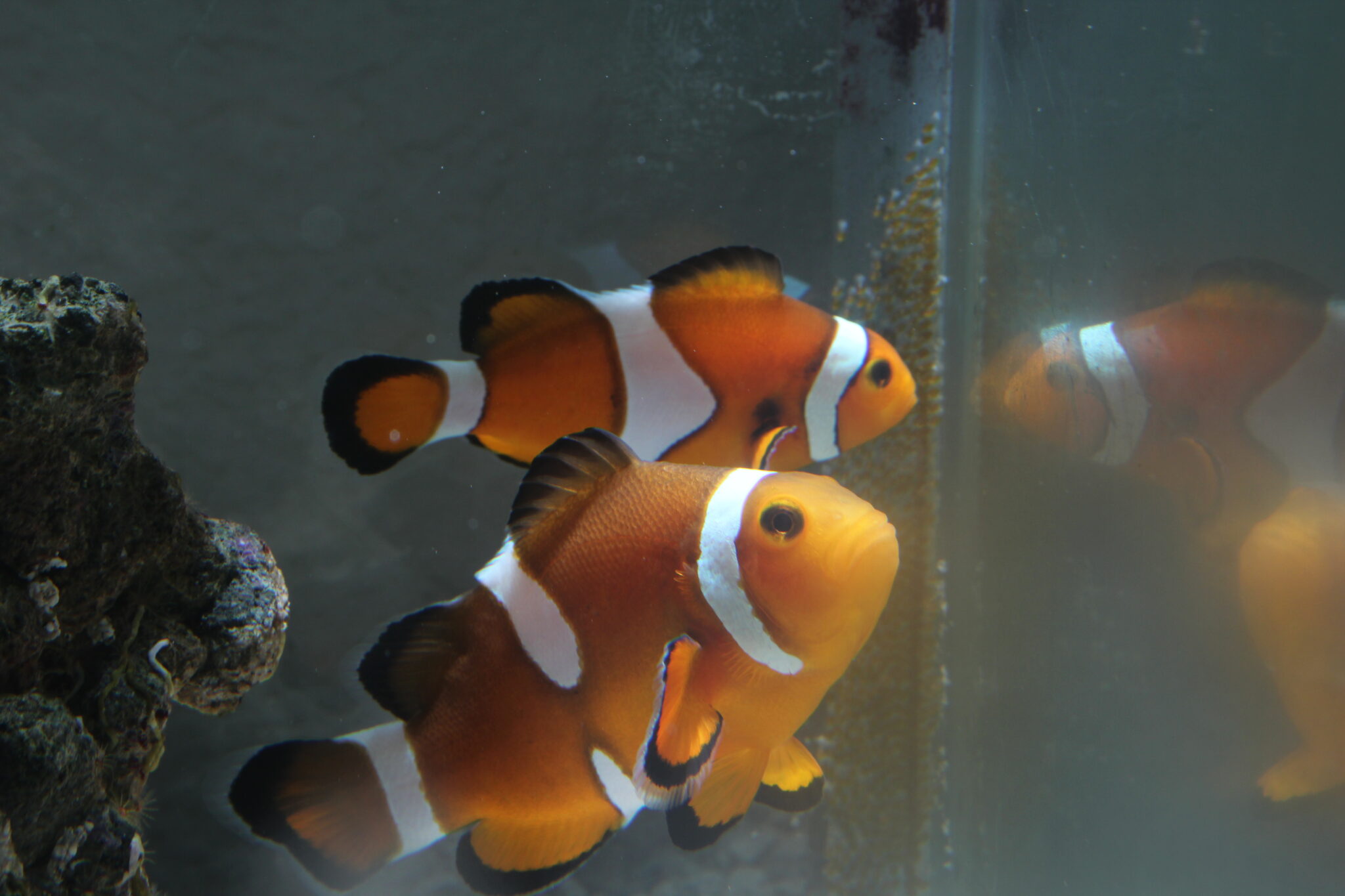
A closer look inside the tank
Lin and his team identified a total of 734 species, with 655 (which is 89.2 percent) being sourced from the wild. The remaining were found to be sourced through aquaculture, or a combination of it and wild capture. Assessment by the IUCN showed that 45 of these species (38 wild caught–only) are at risk, with 4 of them even being endangered.
There has been shown to be an especially strong association between a lower body length, shallower depth of living, and schooling behavior with lower retail prices. In a large portion of the species, wild-caught is also associated with lower retail prices. Interestingly, however, the species with specimens that were sourced from the wild and captive-bred, tend to have lower prices for the aquaculture specimens.
Additionally, the study researchers mentioned that many wild-caught marine fish are sourced from tropical areas where the regulations on methods are very low, and harmful approaches such as the use of cyanide are not unusual. Then, there is the issue of accidentally introducing non-native fish species across regions, damaging local ecosystems.
The researchers also emphasized that they needed to be cautious with their interpretations of the fish sourcing, as the online postings aren’t verified independently. The self-reported data that the listings are based on can have missing or misrepresented information, whether by error, or on purpose.
RELATED: Impact of Climate Change on Fish Growth Rates in Alaska and Yukon region
Toward a more sustainable future
The online marine aquarium trade has its fair share of issues, largely due to inadequate oversight and regulations, yet there is hope to improve the industry. Lin and his team suggest prioritizing aquaculture for species at a higher risk of extinction, and with a higher demand, but to also complement it with wild harvesting approved with official certification schemes involved. A full conversion to aquaculture could harm communities and countries where fisheries are an important income source. In order to truly get to the root of the issue, more policies will need to be put into place to better monitor the supply chain, fish populations, and ecological impacts. This will improve transparency and rigor, benefiting both ecosystems and economic well-being.
This study was published in the peer-reviewed journal Conservation Biology.
Reference
Lin, B., Zeng, Y., To, B., Holmberg, R. J, Rhyne, A. L., Tlusty, M., & Wilcove, D. S. (2025). Extent of threats to marine fish from the online aquarium trade in the United States. Conservation Biology, e70155. https://doi.org/10.1111/cobi.70155
Featured image Clownfish Trio by Aqua Immersion on Flickr, licensed as CC BY-NC-ND 2.0.
About the Author
Christopher Clark is enthusiastic about science and fitness, and holds an M.S. in biotechnology. In his spare time he likes to read, play videogames, and play his glockenspiel. Currently, he resides in Massachusetts. With a background in cellular and molecular biology, he’s always enjoyed learning about how living systems work. Find him on LinkedIn: www.linkedin.com/in/christopher-p-clark.