Yellow Food Dye Makes for Transparent Skin
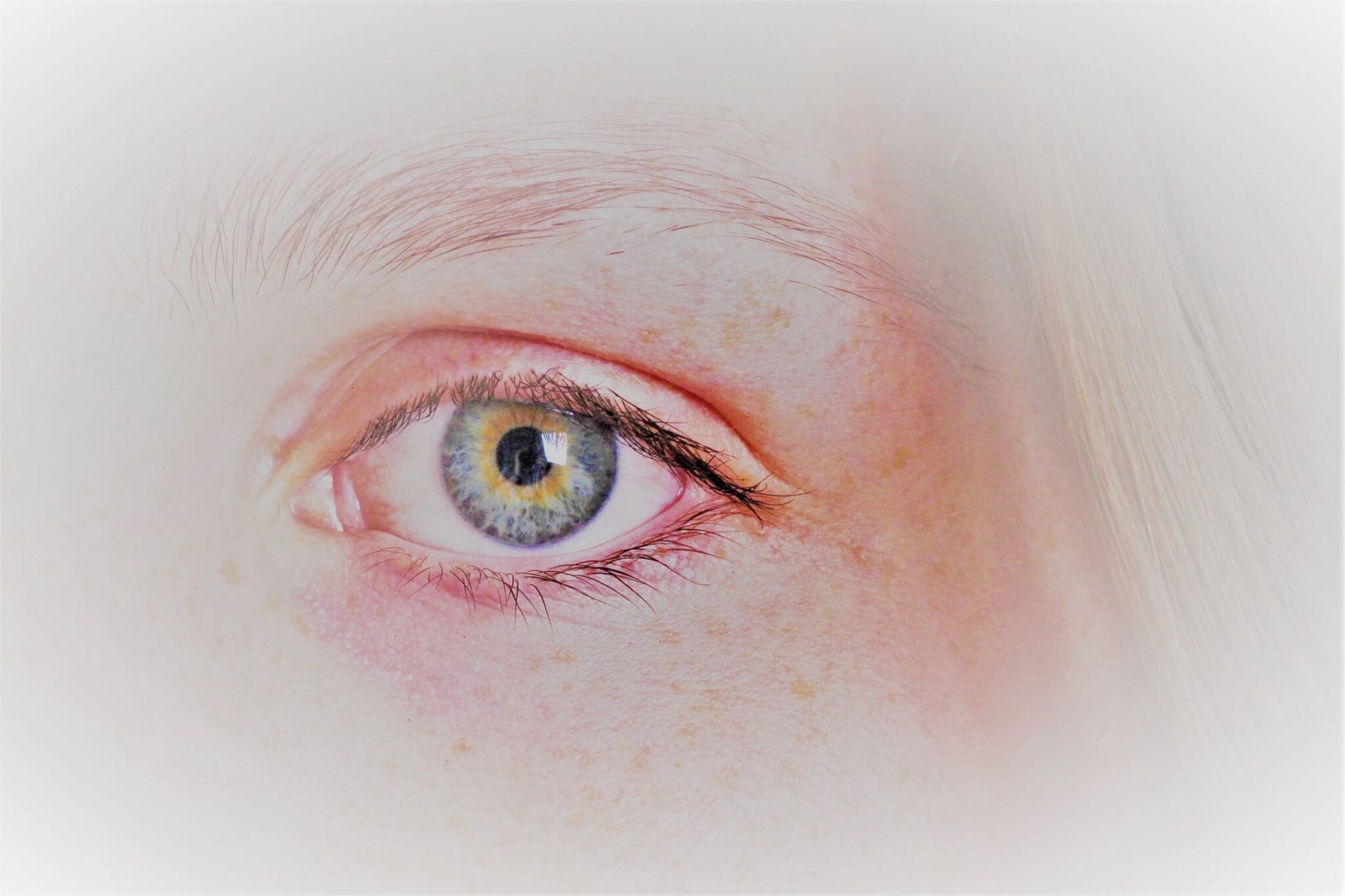
Mice got transparent skin from exposure to yellow food dye, opening up more questions in physics and medicine.
Making Science Make Sense

Mice got transparent skin from exposure to yellow food dye, opening up more questions in physics and medicine.
Camouflage is nature’s ultimate game of hide-and-seek, and the secret to winning this game is all in the brain.
Bat communication through echolocation involves sound, and it has more similarities to human communication than you may have guessed.
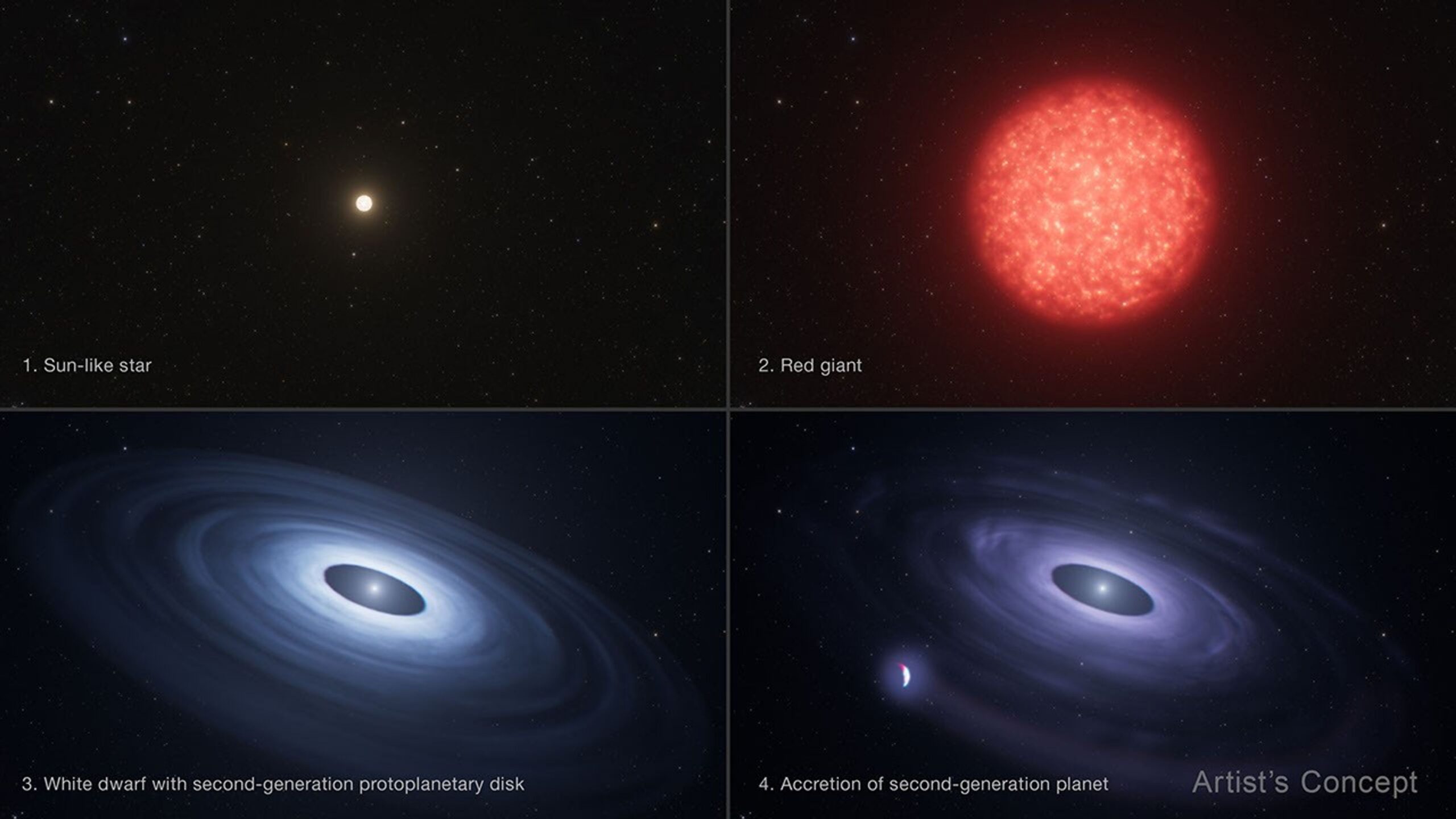
NASA Hubble telescope data re-examined: the evolution of a Sun-like star as it dies and potentially forms into a second-generation planet.
Sea-friendly plastic is the newest project for material scientists: plastic that can dissolve in water to reduce microplastic pollution.
Baby-led weaning can be trendy and give babies a more varied diet, but how does it compare to a standard pureed baby food diet?
A smoking habit is visible on the roots of one’s teeth after quitting and even after death, giving clues for forensics and archaeology.
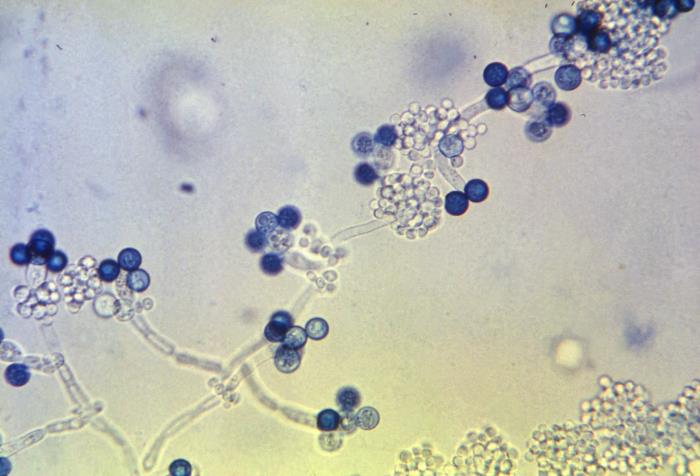
Fungal infections are widespread and tricky to kill off, but could we disarm them instead? A look at Candida albicans and a bacterial antibiotic.
Agricultural pesticides stay in the air long after they are sprayed, latching onto particles in the air instead of breaking down.