







Is your “fight or flight” response doing more harm than good? Uncovering a startling link between chronic stress and the development of autoimmune conditions.
By Azeeza Omowumi Nasir-Raji
For many, “stress” is just a feeling of being overwhelmed by a busy schedule or mounting pressures. We’ve all had those weeks where school or work feels like a never-ending marathon, but it is worth asking: What is that constant pressure doing to our bodies deep down? Beneath the surface, our bodies are undergoing complex physiological changes in response to these demands.
An autoimmune disease occurs when the immune system, the body’s defense force, mistakenly attacks healthy cells instead of protecting them. This means that instead of guarding the body from outside threats like germs or viruses, the immune system turns on the body itself. New research is now revealing that when stress becomes chronic, it is far more than just a mental burden; it is a profound disruptor of our immune system that can act as a catalyst for autoimmune disease.
The stress-immune connection
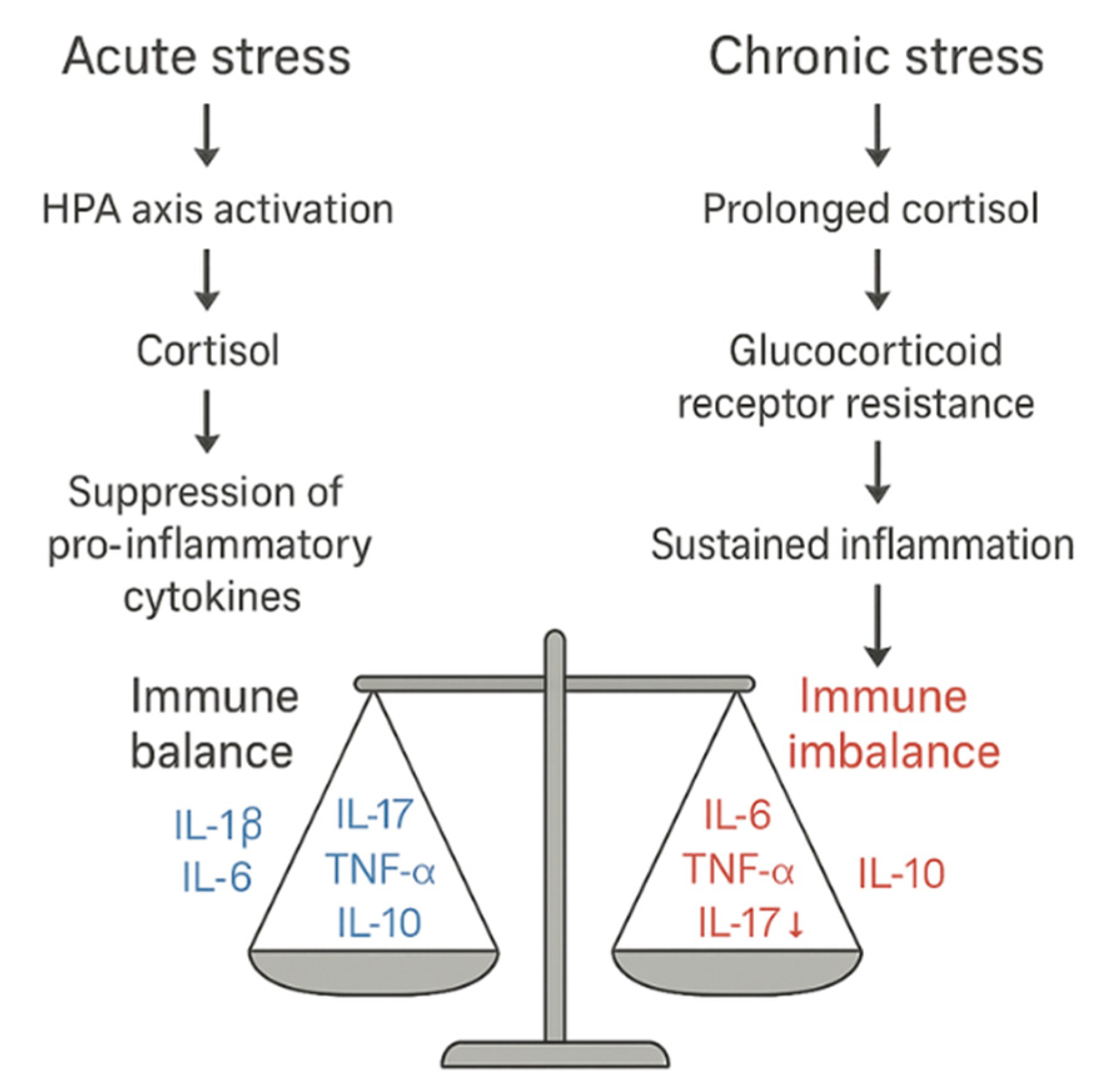
At the heart of this is the body’s built-in alarm system (the HPA axis), which manages how we react to pressure. When we face stress, this system releases a hormone called cortisol to help us cope. While this is helpful in short bursts, staying in “high-stress mode” for too long keeps the alarm ringing. Over time, this constant state of alert confuses the immune system, causing it to lose its balance and eventually attack the body’s own tissues.
Inflammation and the body’s defense
When the body is under constant stress, it releases tiny chemical signals that put the immune system on high alert. Think of these signals as an emergency broadcast that never turns off. In an autoimmune state, this broadcast malfunctions, tricking the immune system into attacking healthy parts of the body instead of true threats like germs. This explains why people living in a cycle of chronic stress may be at a higher risk for immune-related health problems.
RELATED: Anxiety is a response to physical or mental danger, and some people have more active systems.
Managing stress for immune health
Understanding these pathways provides a new perspective on how we approach preventative health. Because stress is a significant factor in driving inflammatory responses, research suggests that lifestyle-based interventions such as mindfulness, a balanced diet, regular physical activity, and targeted stress-management techniques could play a valuable role in mitigating these risks. By calming the body’s overactive stress response, we may be able to support more efficient immune function and reduce the likelihood of autoimmune progression.
As we learn more about how our daily lives impact our internal biological networks, it becomes clear that caring for our mental well-being is an essential component of physical health. It is easy to dismiss stress as just a “normal” part of a busy life, but your body is listening to every signal you send it. While further research is needed to refine these interventions, the message for the public is clear: Managing stress is not just about feeling better in the moment; it is a critical strategy for protecting our bodies from the inside out.
This study was published in the peer-reviewed journal International Journal of Molecular Sciences.
Read more about the immune system in Sepsis Survivors Are More Vulnerable to Infection
Reference
Nunez, S. G., Rabelo, S. P., Subotic, N., Caruso, J. W., & Knezevic, N. N. (2025). Chronic stress and autoimmunity: The role of HPA axis and cortisol dysregulation. International Journal of Molecular Sciences, 26(20), 9994. https://doi.org/10.3390/ijms26209994
About the Author
Azeeza Omowumi Nasir-Raji is a fourth-year medical student. She holds a special place in her heart for feline friends and enjoys cozy moments with a captivating book or a good movie.