Skip to content

Science Connected Magazine

Making Science Make Sense

Bigyapaan Image
  • About
    • FAQ
    • Science Connected
    • Writers
    • Advisors
    • Policy on AI Use
    • Practice SciComm
    • Submission Guidelines
    • Permissions
    • Contact
  • Subjects
    • Science and Art
    • Life Sciences and Biomedicine
      • Anthropology
      • Biodiversity and Conservation
      • Biology
      • Botany
      • Citizen Science
      • Neuroscience
      • Ecology
      • Environment
        • Climate Change
        • Sustainable Living
      • Genetics and Heredity
      • Health
        • COVID-19
      • Marine and Freshwater Biology
      • Paleontology
      • Zoology
        • Ornithology
    • Physical Sciences
      • Astronomy and Astrophysics
      • Chemistry
      • Geology
      • Mathematics
      • Oceanography
      • Physics
    • Social Sciences
      • Archaeology
      • Language and Linguistics
      • Psychology
      • Science Policy
        • Science Debate Series
    • Technology
      • Computer Science
      • Engineering
      • New Technologies
    • Opinions and Editorials
  • Blogs
    • The SciStarter Blog
    • There Be Dragons Everywhere
  • Videos
    • It’s Ok to Be Smart
    • PBS Eons
    • Science With Sophie
    • Shelf Life from AMNH
    • Cat Behavior with Simon’s Cat Logic
  • STEM Education
    • FREE RESOURCES
    • Book Catalog
    • For Grades 7-12
    • For Grades K-6
    • iBiome Games
    • Book Recommendations
    • Get to Know a Scientist
  • Bookstore
  • Swag Shop
  • DONATE
  • Volunteer
  • Subscribe

Month: May 2026

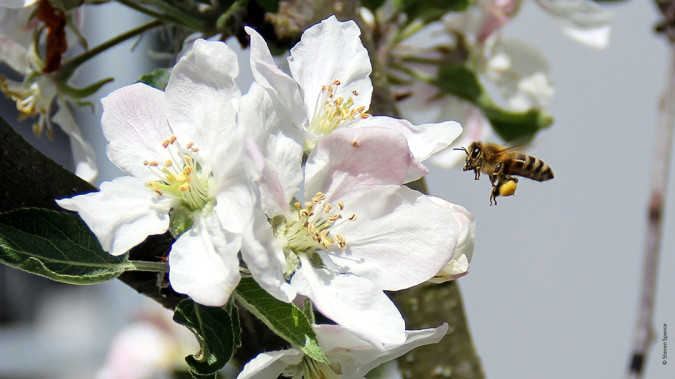
Ten Fun Facts about Honeybees and Honey
Biology Zoology

Ten Fun Facts about Honeybees and Honey

May 26, 2026May 26, 2026

Which countries produce the most honey? How much honey does a bee make? Ten fun facts about honeybees and honey.

How to Make Photosynthesis More Efficient
Biology Botany

How to Make Photosynthesis More Efficient

May 19, 2026May 19, 2026

Photosynthesis is how plants convert light into food, and this team of scientists test how gene changes can multiply the process.

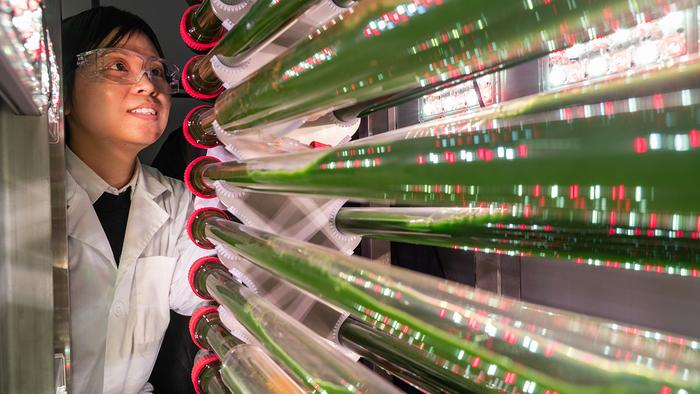
Upcycling Microplastics: From Pollutants to New Products
Environment Public Health Water Pollution

Upcycling Microplastics: From Pollutants to New Products

May 12, 2026May 8, 2026

Researchers use algae to remove microplastics from water sources and upcycle them into new biomaterial product.

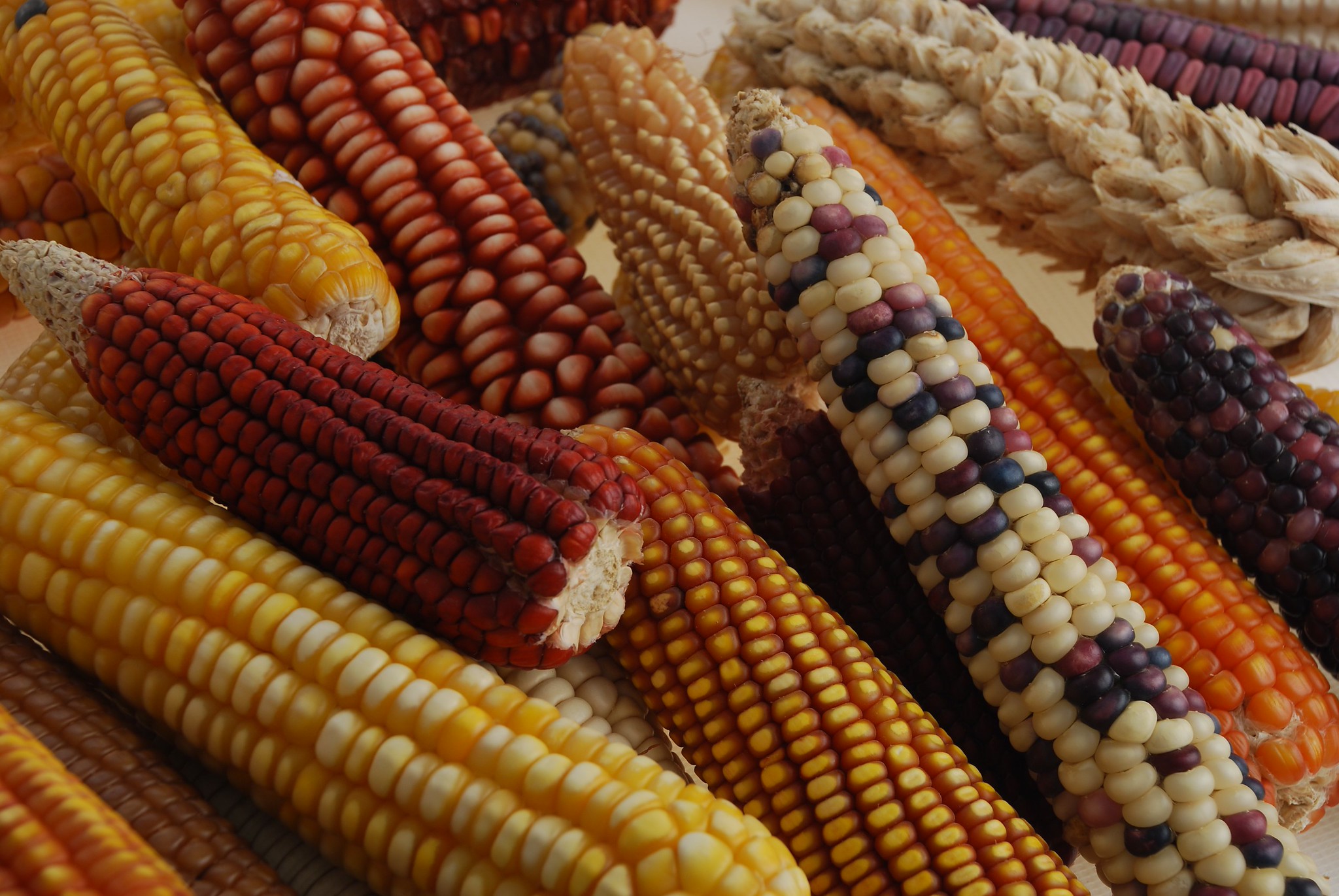
Ancient Teosinte Genes Reduce Nitrogen Loss in Modern Maize
Environment

Ancient Teosinte Genes Reduce Nitrogen Loss in Modern Maize

May 5, 2026May 23, 2026

Reintroducing ancient maize genes into corn crops can benefit soil health and save costs while satisfying the need for higher yields.

  • LinkedIn
  • Bluesky
  • Instagram
  • Facebook
  • X
  • Mail
subscribe to Science Connected Digest Weekly

Make a Donation

Science Connected Magazine is an editorially independent, non-profit newsroom producing open-access science journalism.

Contact

Terms of Use

Privacy Policy

Style Guide

ScienceConnected.Org

Copyright © 2025 Science Connected, All Rights Reserved | Ace News by Ascendoor | Powered by WordPress.