Yellow Food Dye Makes for Transparent Skin
Mice got transparent skin from exposure to yellow food dye, opening up more questions in physics and medicine.
Making Science Make Sense

Mice got transparent skin from exposure to yellow food dye, opening up more questions in physics and medicine.
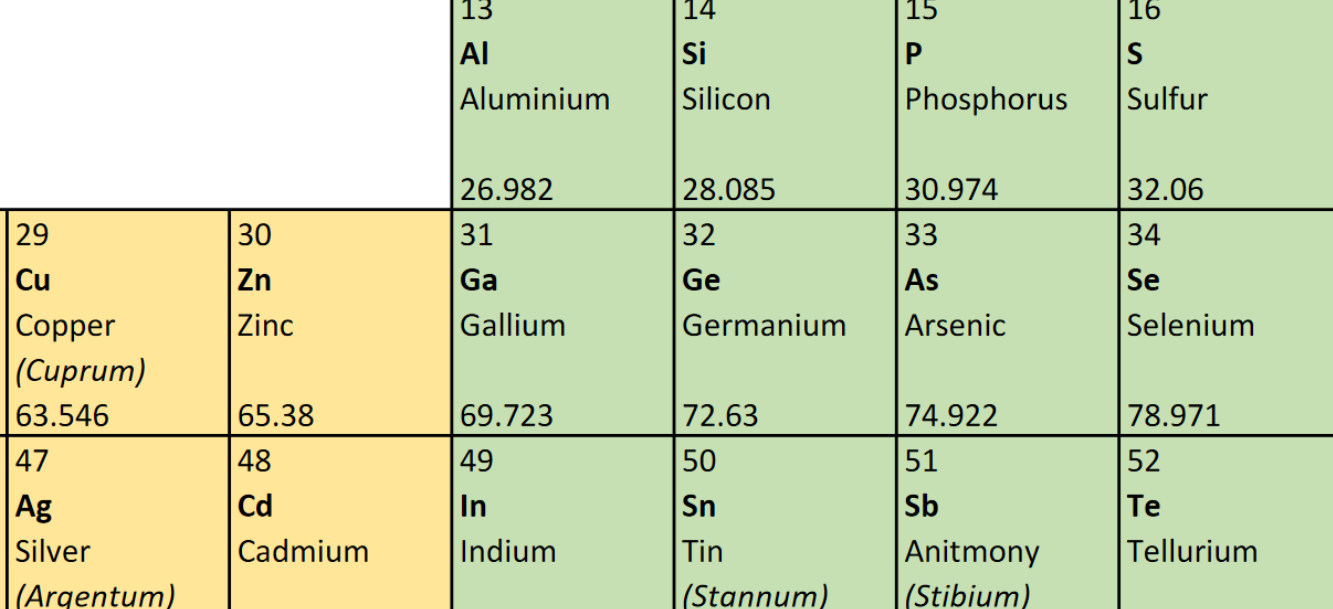
Find out why the Periodic Table of Elements is systematically brilliant. Also, get two free periodic tables that you can download and print for your classroom or dining room wall.
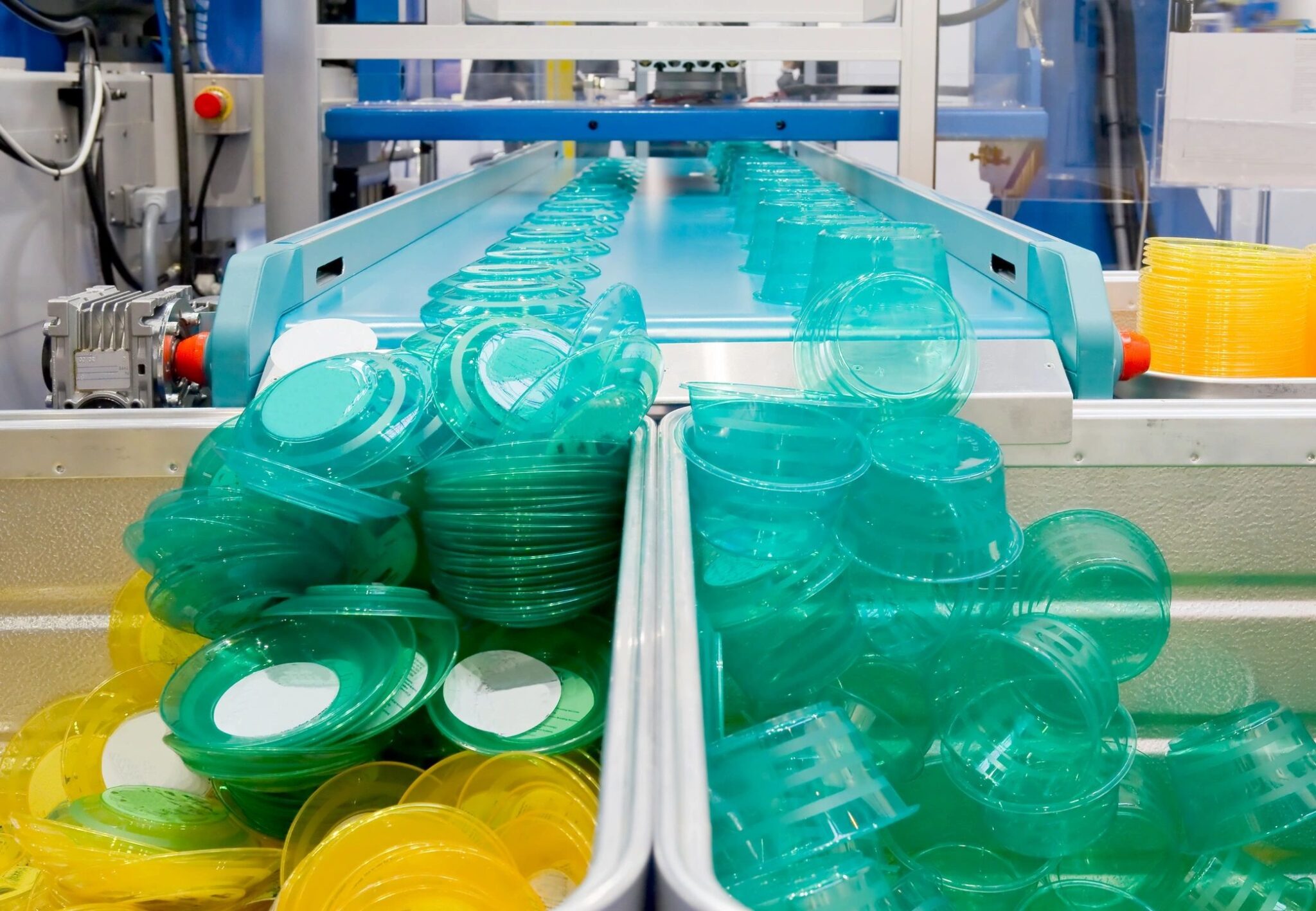
Certain plastics are easier to recycle based on their internal structure. Scientists can change that structure to increase what we recycle.
Researchers used baker’s yeast to produce two compounds important to antipsychotic drugs: alstonine and serpentine.
ChatGPT can be used as a chemistry assistant to accelerate chemists’ ability to analyze published research and predict chemical reaction outcomes.
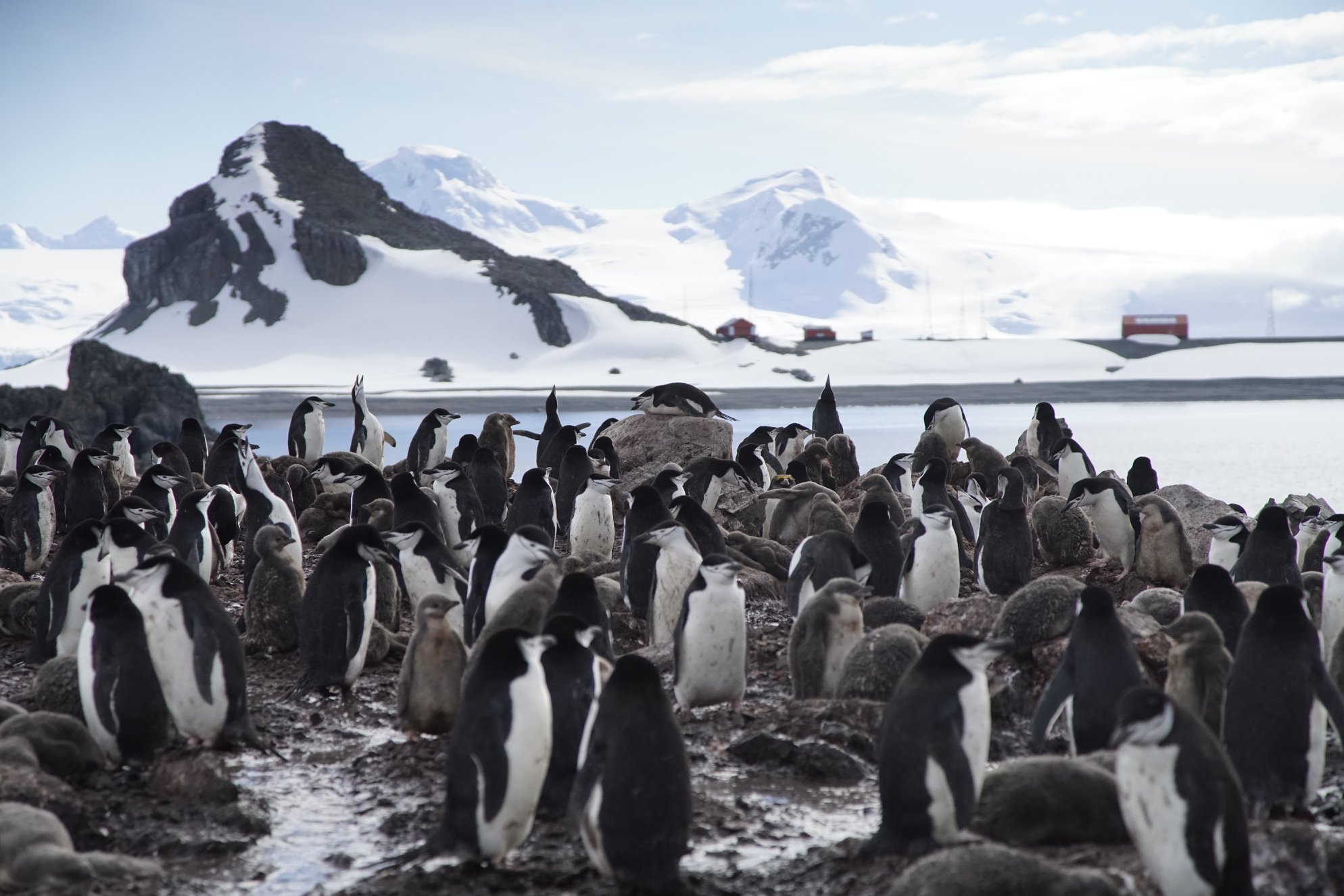
Travelers with FjordPhyto sample phytoplankton in Antarctica, helping scientists learn how this fertile ocean region is changing.
Microorganisms increase the level of carbon storage in the soil, making them key players in mitigating the effects of climate change.
Researchers identified over five thousand previously undiscovered species in the CCZ region of the ocean, and they predict more.
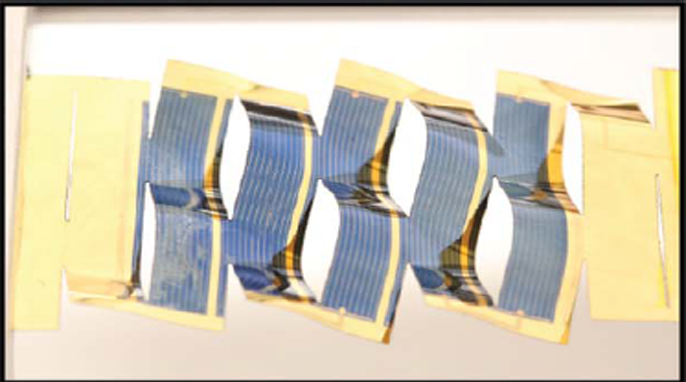
A long-standing Japanese art form known as kirigami has inspired scientists to design effective solar cell tech four hundred years later.
Mucus produced by brown algae may be the key to protecting the ocean, as a new study uncovers how carbon dioxide gets captured and converted.