What Really Happened to Giant Ground Sloths?
Giant ground sloths are extinct now, but scientists uncover what environmental factors helped them evolve in the first place.
Making Science Make Sense

Giant ground sloths are extinct now, but scientists uncover what environmental factors helped them evolve in the first place.
Scientists test protein upcycling by using maize leftovers to grow mushrooms, then using the more nutritious by-product to feed earthworms.
Leprosy in America was long thought to originate exclusively from European colonization, but its origins go deeper.
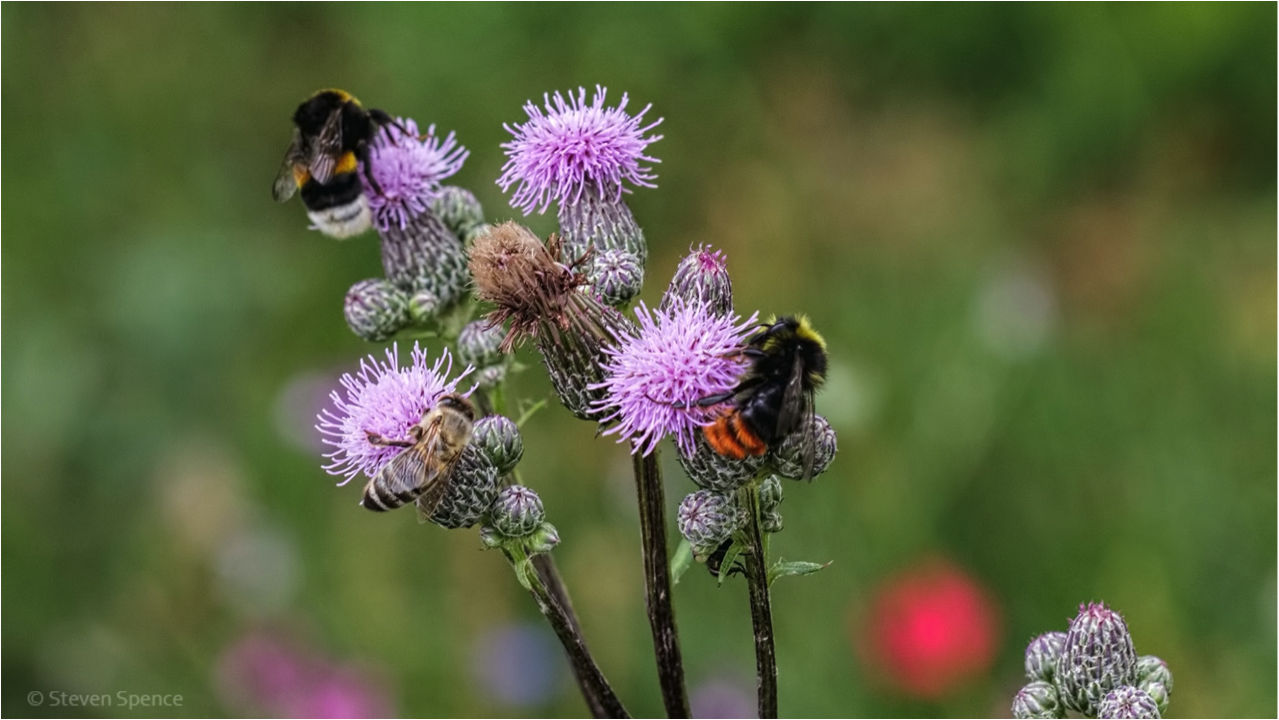
Insect-friendly urban gardens show great promise to be havens for bees and other pollinators, securing their future and allowing them to thrive.
Babies’ brains react to faces much earlier and more broadly than previously thought, as shown in a new brain imaging study of infants.
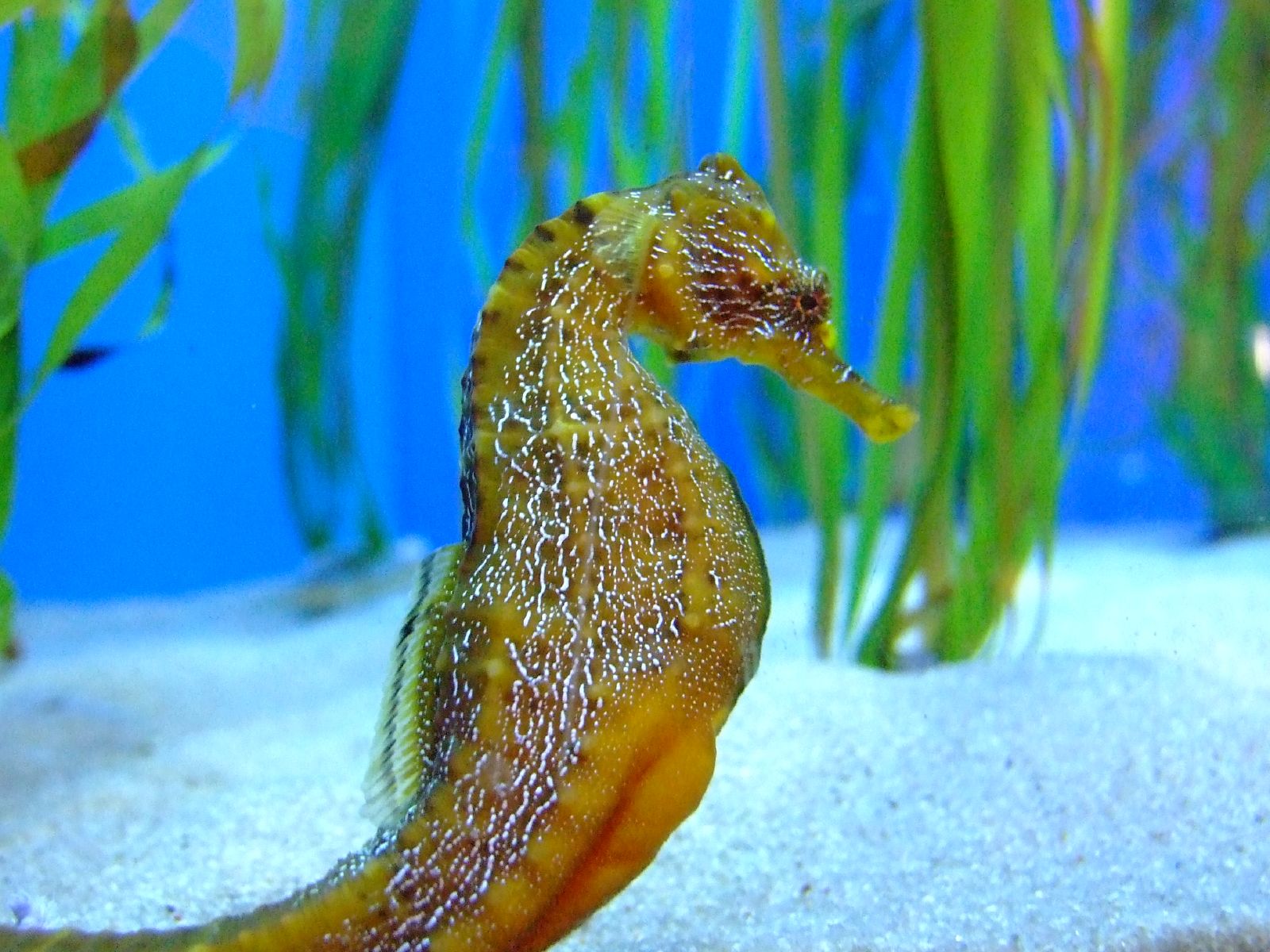
Seahorses give a whole new meaning to the term “dad bod.” You see, they are one of the only animals species in which the males get pregnant and give birth.
Chronic pain management may have a new angle, with a recent finding that regulatory T cells in female mice influence their pain perception.
Biomedical engineers at Georgia Tech are designing a cellular tool to detect disease without the need for complex and costly lab equipment.
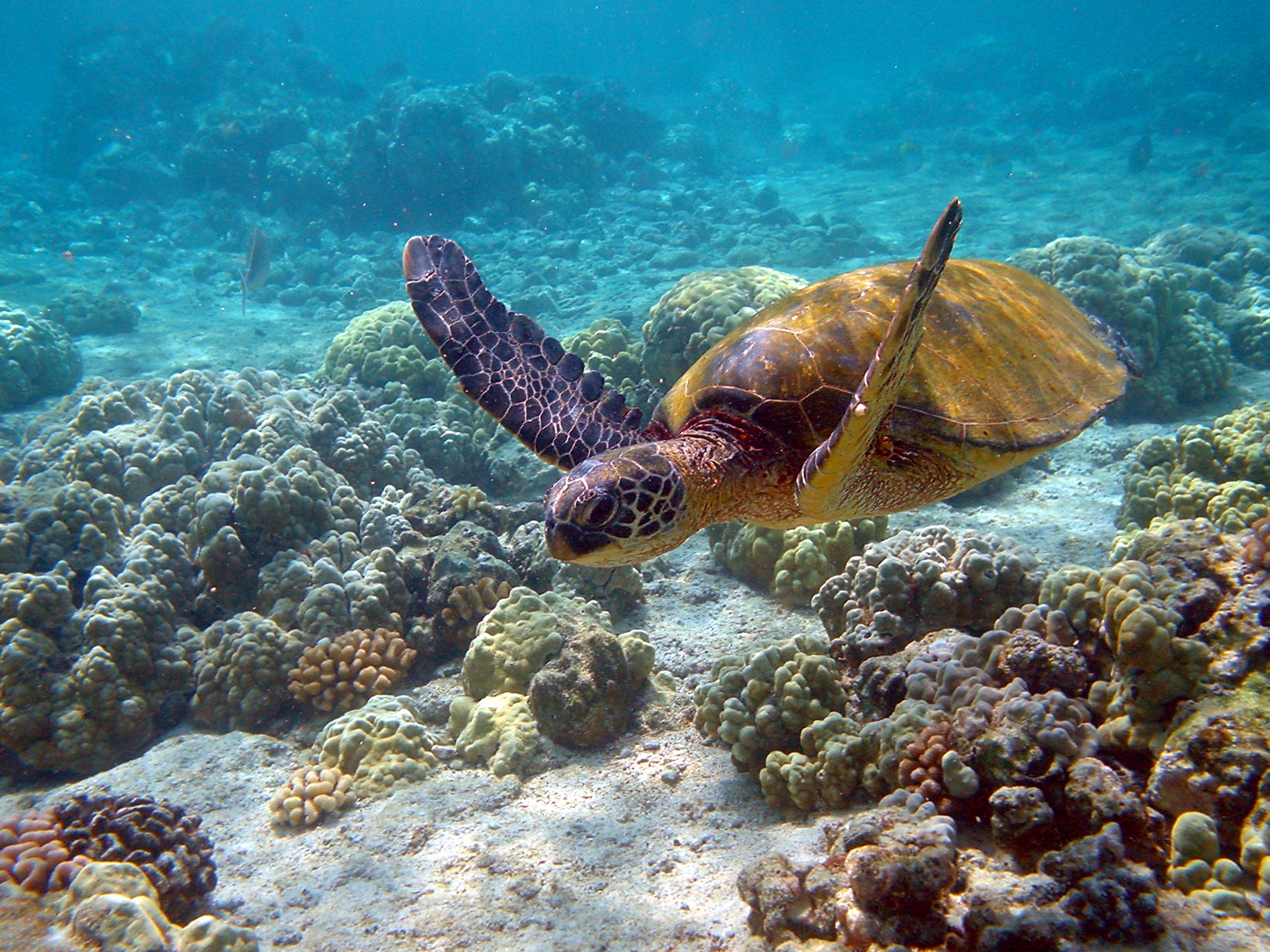
More data on the activity patterns of newly hatched sea turtles in the water may be crucial for sea turtle conservation efforts.
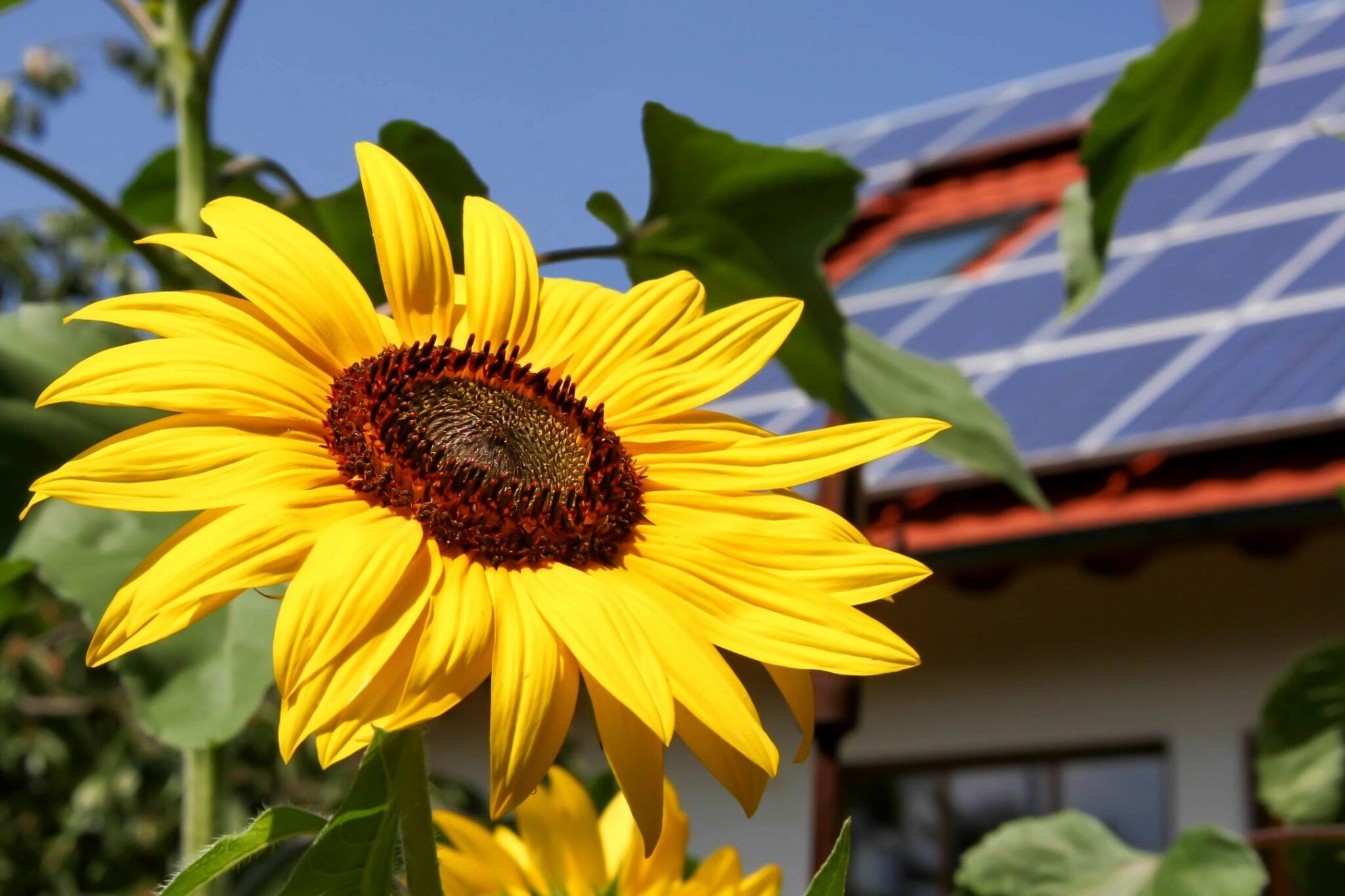
Scientists developed a nonhazardous strategy for recycling solar panels that enables nearly all components to be recovered and reused without efficiency loss.