Antibiotics and Aggresomes: How Bacteria Bounce Back
Aggresomes within bacteria cells help these cells overcome antibiotics. Scientists uncover how they work and propose how to counteract them.
Making Science Make Sense

Aggresomes within bacteria cells help these cells overcome antibiotics. Scientists uncover how they work and propose how to counteract them.
Hunger neurons tell children and teens when they are “hungry” for social time, not just for food, but by adulthood these neurons only apply to food.
A cancer vaccine using a special type of molecule is one of the newer research trajectories aimed at improving cancer treatment.
A smoking habit is visible on the roots of one’s teeth after quitting and even after death, giving clues for forensics and archaeology.
Scientists test protein upcycling by using maize leftovers to grow mushrooms, then using the more nutritious by-product to feed earthworms.
Leprosy in America was long thought to originate exclusively from European colonization, but its origins go deeper.
Babies’ brains react to faces much earlier and more broadly than previously thought, as shown in a new brain imaging study of infants.
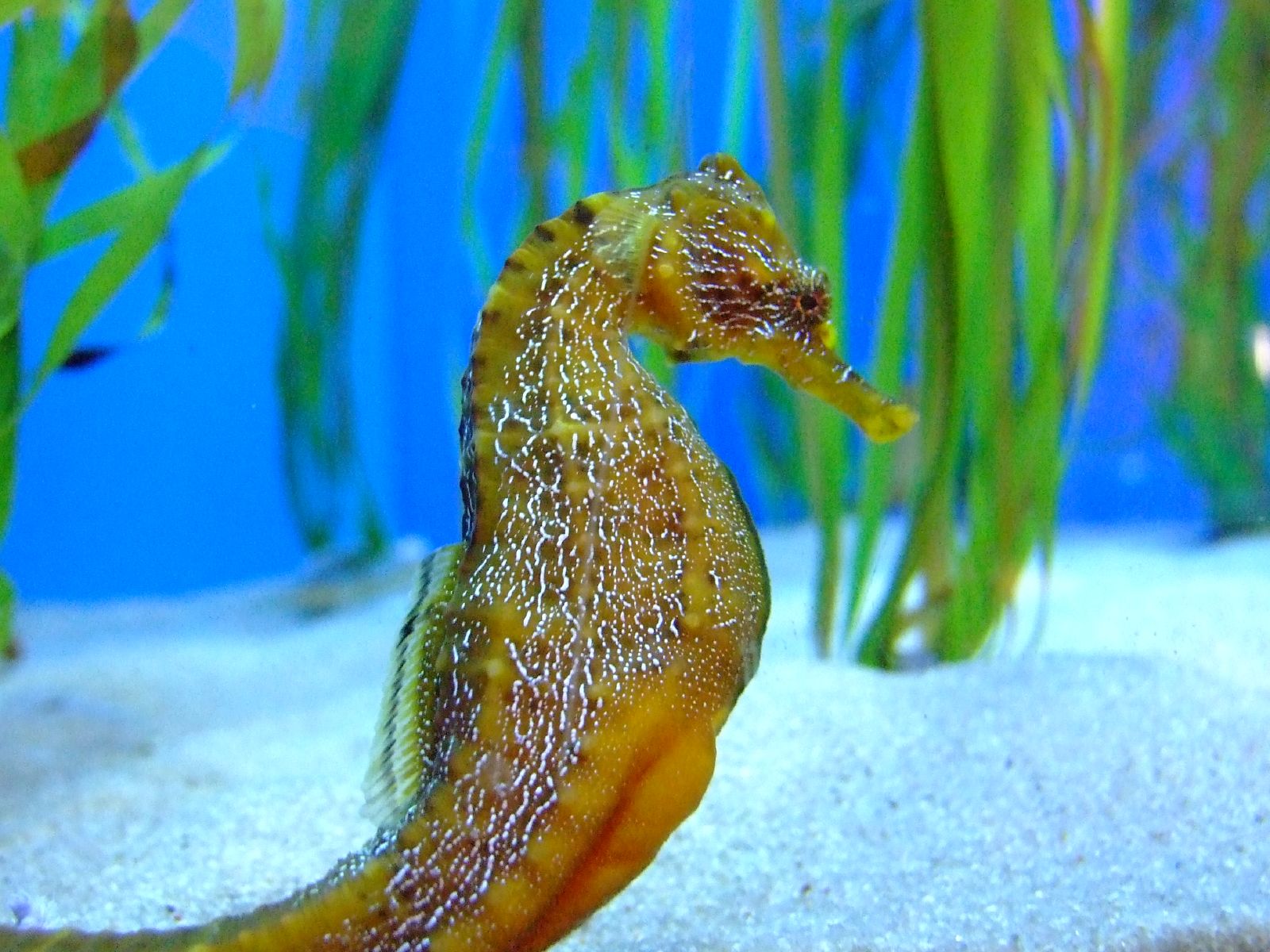
Seahorses give a whole new meaning to the term “dad bod.” You see, they are one of the only animals species in which the males get pregnant and give birth.
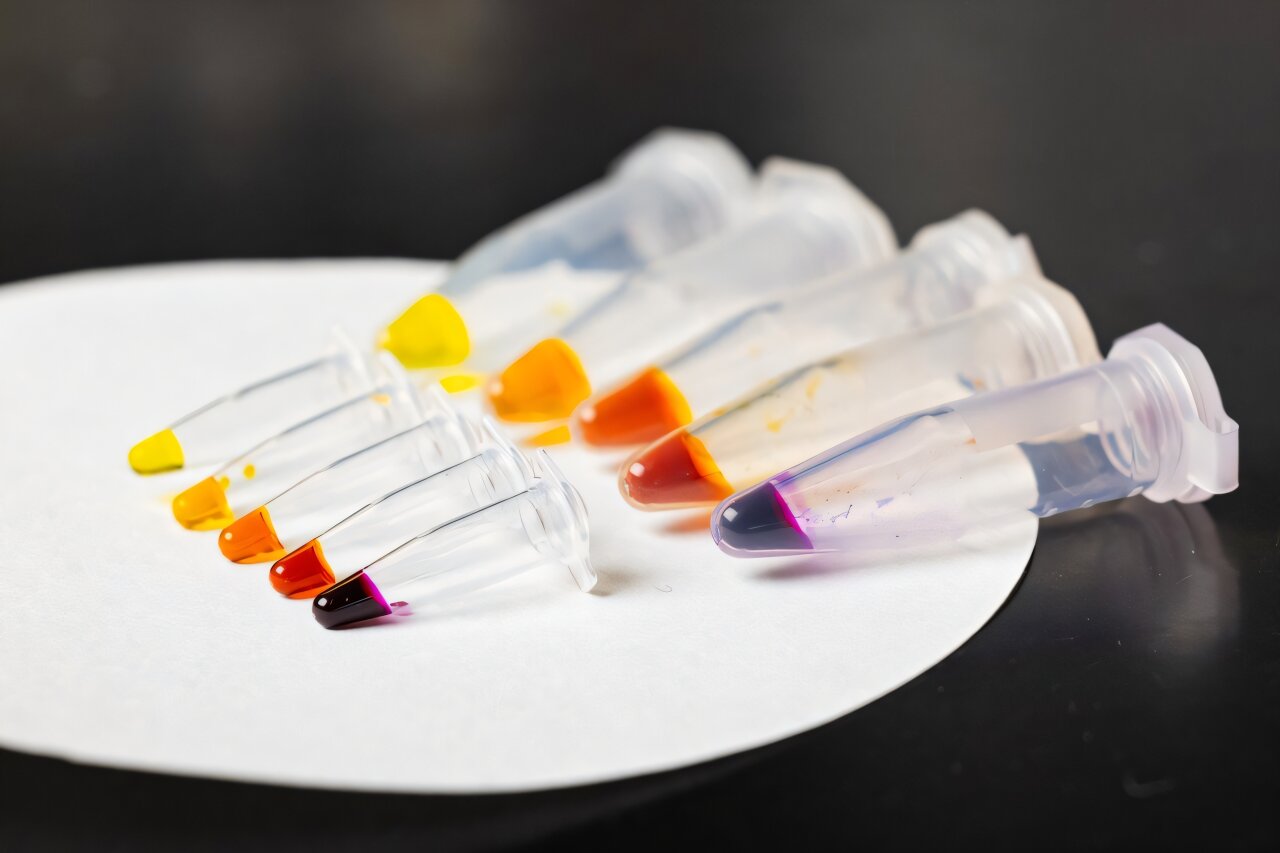
Biomedical engineers at Georgia Tech are designing a cellular tool to detect disease without the need for complex and costly lab equipment.
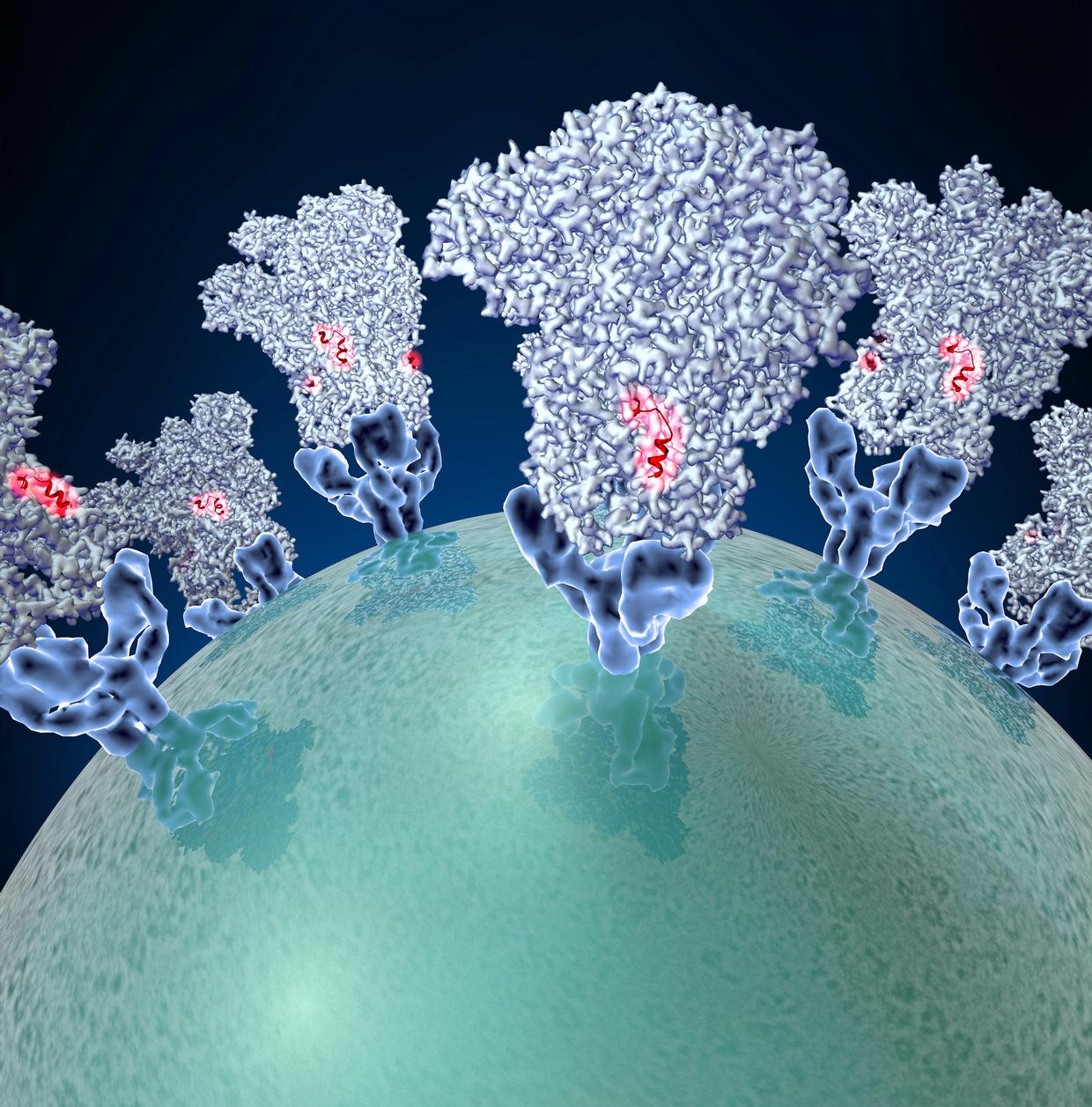
In a new study by MIT and Caltech, a nanoparticle vaccine could protect against SARS-CoV-2 variants and similar animal-borne coronaviruses.