Babies’ Brains Are Quick to Recognize Faces
Babies’ brains react to faces much earlier and more broadly than previously thought, as shown in a new brain imaging study of infants.
Making Science Make Sense

Babies’ brains react to faces much earlier and more broadly than previously thought, as shown in a new brain imaging study of infants.
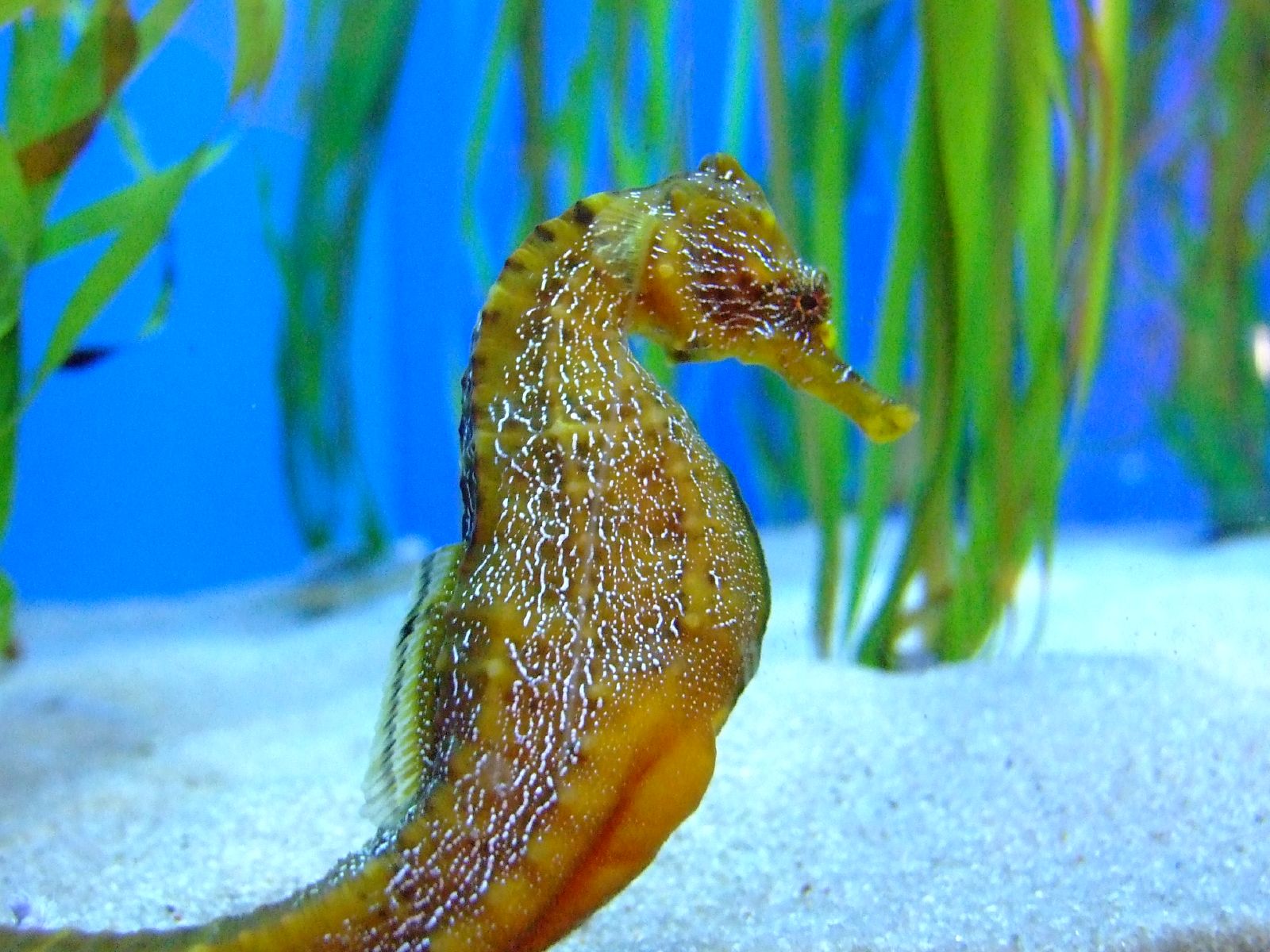
Seahorses give a whole new meaning to the term “dad bod.” You see, they are one of the only animals species in which the males get pregnant and give birth.
Chronic pain management may have a new angle, with a recent finding that regulatory T cells in female mice influence their pain perception.
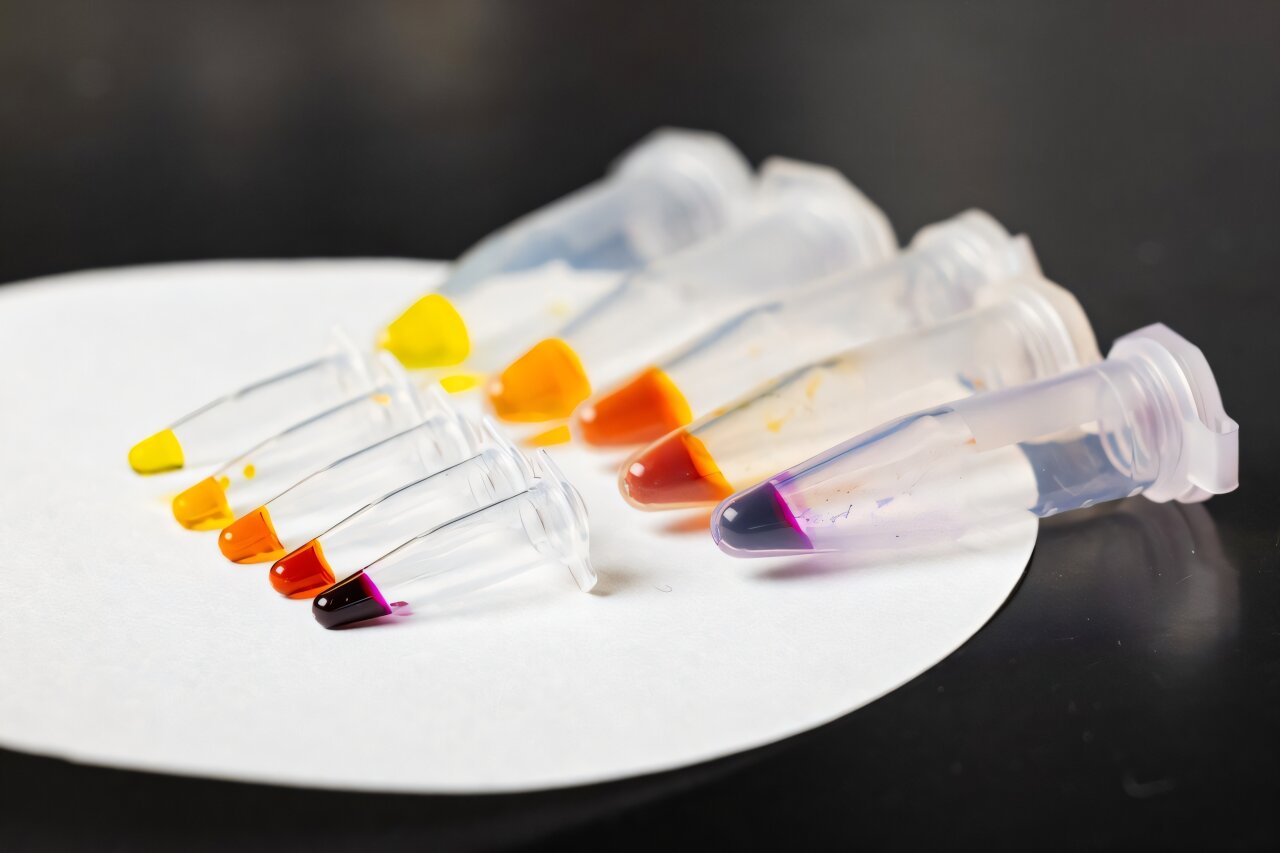
Biomedical engineers at Georgia Tech are designing a cellular tool to detect disease without the need for complex and costly lab equipment.
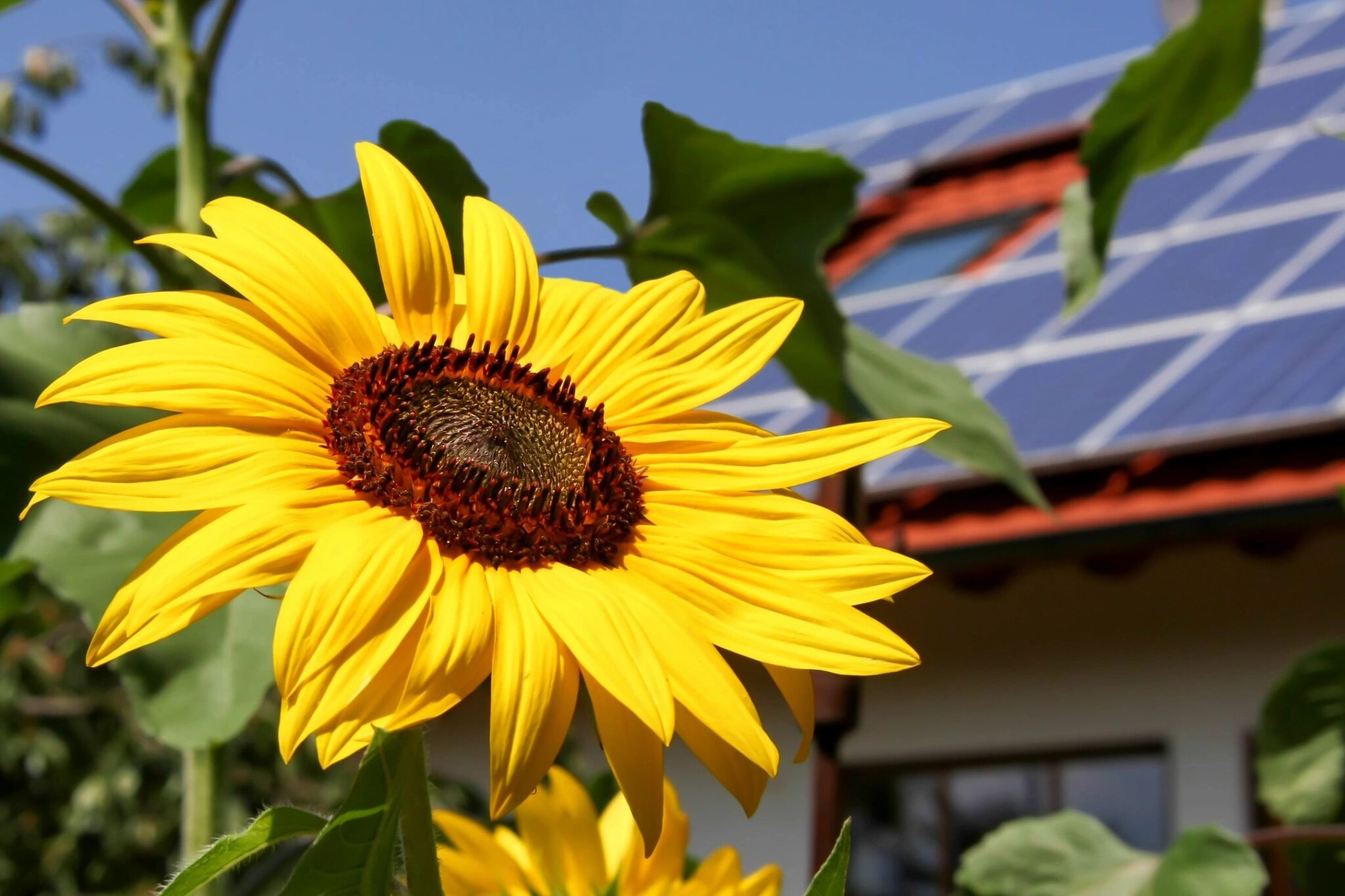
Scientists developed a nonhazardous strategy for recycling solar panels that enables nearly all components to be recovered and reused without efficiency loss.
A gene mutation in the brain 200,000 years ago may be responsible for human language, as seen in a controlled experiment on the NOVA1 gene.
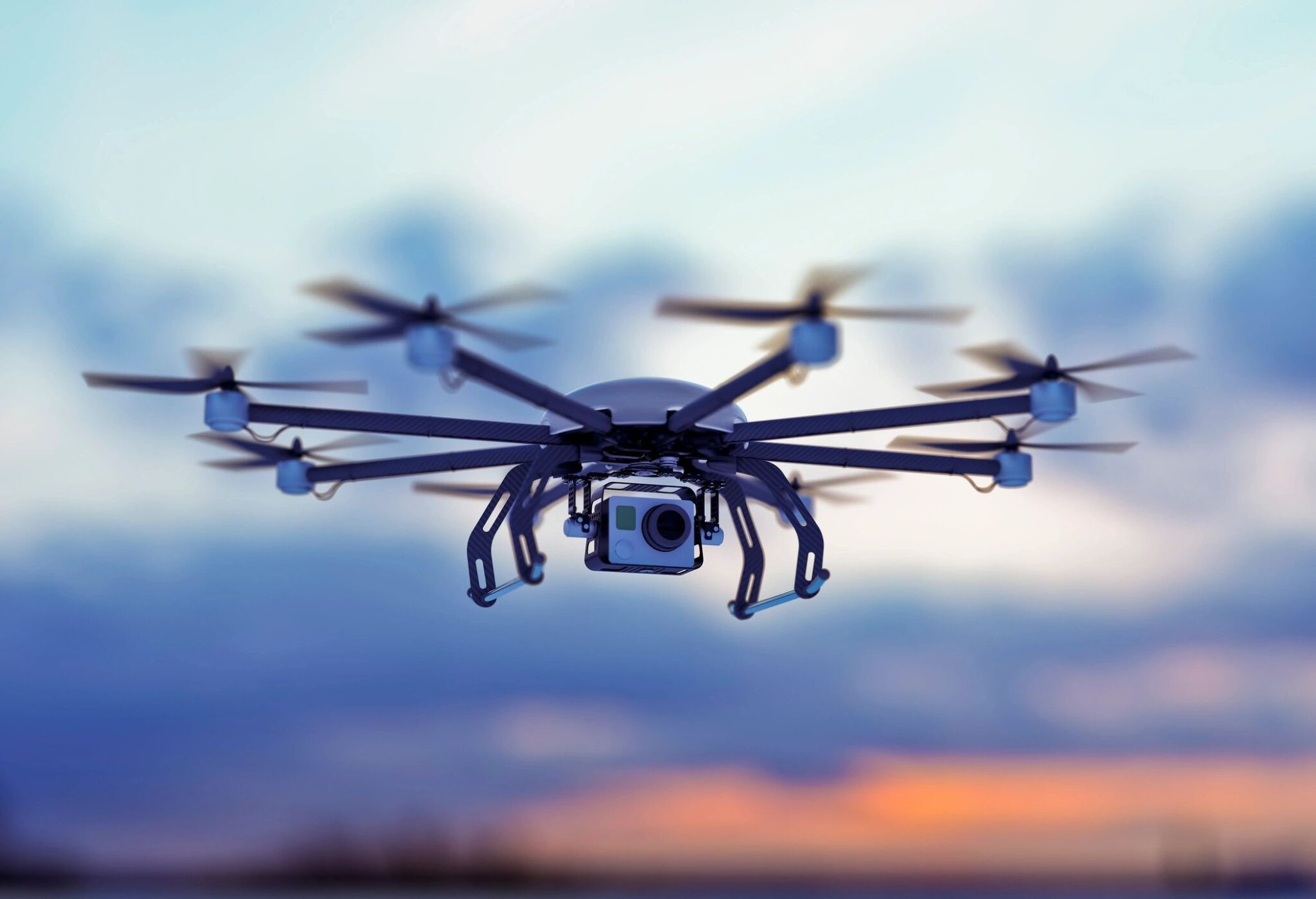
An uptick in drones has made monitoring air traffic crucial. But how can we track what we can’t even detect?
Earth Day is celebrated every year on April 22. Learn more and find out how to get involved in an Earth Day celebration near you!
Glucose monitoring patches developed to be more flexible and comfortable, offering better diabetes treatment.
Surprising link made between “good cholesterol” and eye disease in new study: What do we need to know for overall health?