Skip to content

Science Connected Magazine

Making Science Make Sense

Bigyapaan Image
  • About
    • FAQ
    • Science Connected
    • Writers
    • Advisors
    • Policy on AI Use
    • Practice SciComm
    • Submission Guidelines
    • Permissions
    • Contact
  • Subjects
    • Science and Art
    • Life Sciences and Biomedicine
      • Anthropology
      • Biodiversity and Conservation
      • Biology
      • Botany
      • Citizen Science
      • Neuroscience
      • Ecology
      • Environment
        • Climate Change
        • Sustainable Living
      • Genetics and Heredity
      • Health
        • COVID-19
      • Marine and Freshwater Biology
      • Paleontology
      • Zoology
        • Ornithology
    • Physical Sciences
      • Astronomy and Astrophysics
      • Chemistry
      • Geology
      • Mathematics
      • Oceanography
      • Physics
    • Social Sciences
      • Archaeology
      • Language and Linguistics
      • Psychology
      • Science Policy
        • Science Debate Series
    • Technology
      • Computer Science
      • Engineering
      • New Technologies
    • Opinions and Editorials
  • Blogs
    • The SciStarter Blog
    • There Be Dragons Everywhere
  • Videos
    • It’s Ok to Be Smart
    • PBS Eons
    • Science With Sophie
    • Shelf Life from AMNH
    • Cat Behavior with Simon’s Cat Logic
  • STEM Education
    • FREE RESOURCES
    • Book Catalog
    • For Grades 7-12
    • For Grades K-6
    • iBiome Games
    • Book Recommendations
    • Get to Know a Scientist
  • Bookstore
  • Swag Shop
  • DONATE
  • Volunteer
  • Subscribe

Category: Life Sciences and Biomedicine

Alcohol Consumption Found in Nature: Ethanol and Non-Human Animals
Biology

Alcohol Consumption Found in Nature: Ethanol and Non-Human Animals

December 17, 2024December 16, 2024

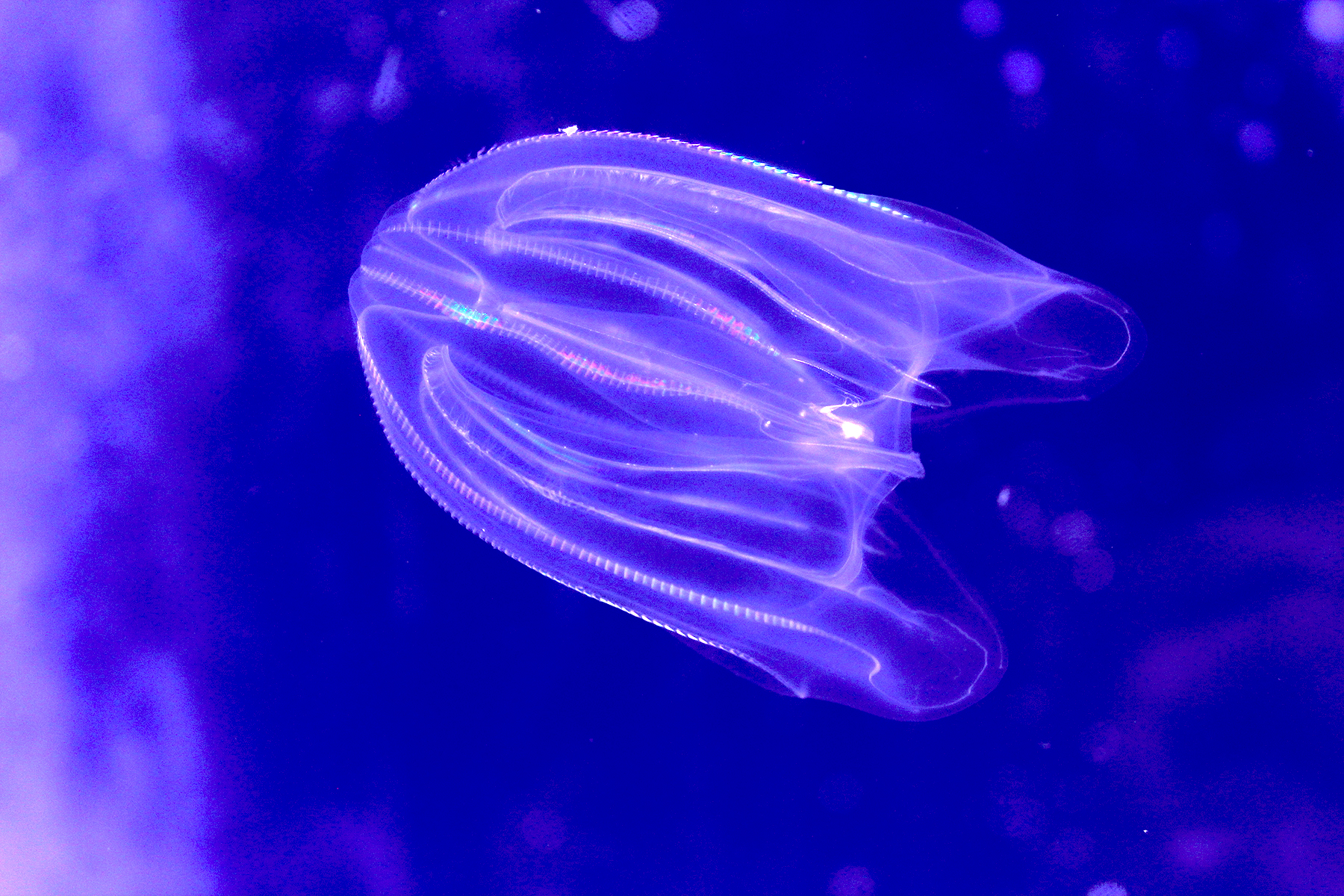
Alcohol consumption is not just for humans—a wide array of other animals have also evolved to metabolize ethanol.

New Chapter in Antipsychotics and Schizophrenia Treatment
Biology Health

New Chapter in Antipsychotics and Schizophrenia Treatment

December 10, 2024December 7, 2024

Antipsychotics haven’t had a straight-forward path in research, but recent efforts yielded a new FDA-approved drug to treat schizophrenia.

Citizen Science Informs Bird Feeder Dilemma
Environment Zoology

Citizen Science Informs Bird Feeder Dilemma

November 26, 2024November 26, 2024

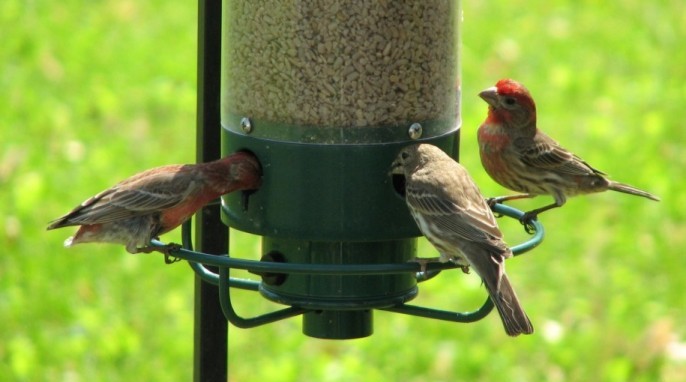
Do you have a bird feeder at home? Fifty percent of Americans do. Learn how to feed the birds without causing them to crash into your window.

How Databases Signal Successful Immunotherapy
Health

How Databases Signal Successful Immunotherapy

November 19, 2024November 18, 2024

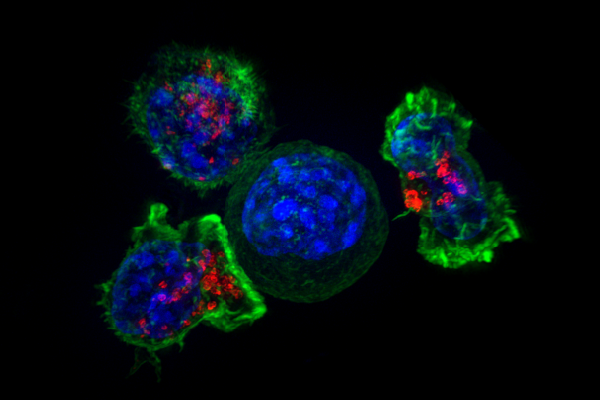
Researchers evaluated the effectiveness of an immunotherapy method for treating cancer called CPI, using a trove of patient data.

A New Way to Treat Antibiotic Resistant Bacteria
Biology Health

A New Way to Treat Antibiotic Resistant Bacteria

November 12, 2024November 17, 2025

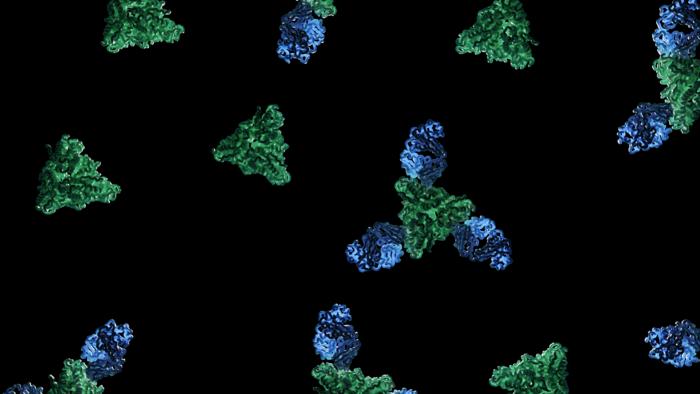
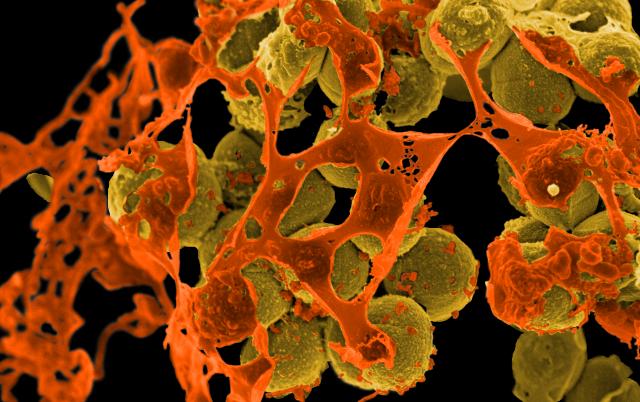
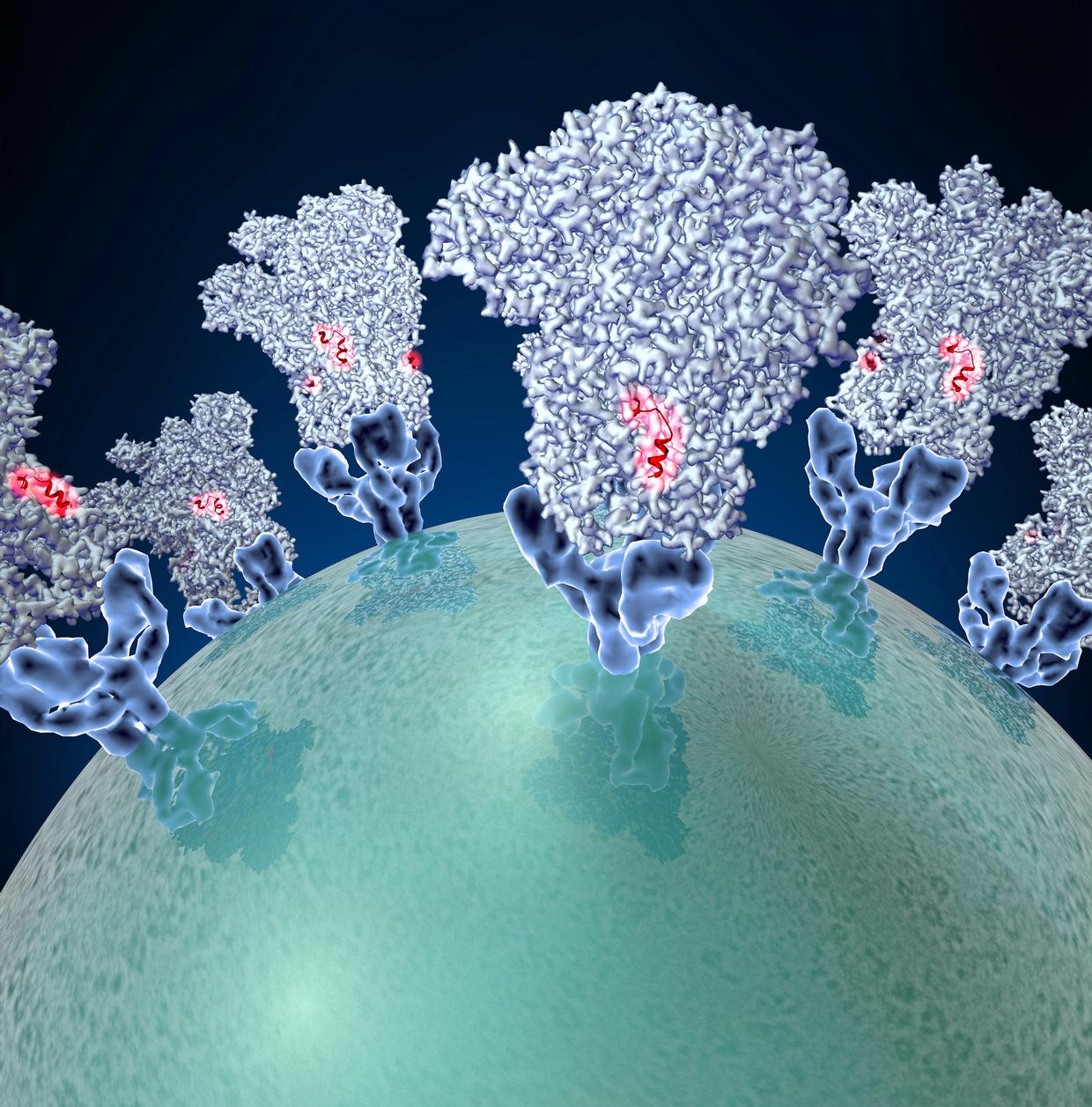
Infections from antibiotic resistant bacteria can be treated with small proteins found in the microbiome according to a new study.

Soil Carbon in a Warming World
Climate Change

Soil Carbon in a Warming World

November 5, 2024September 22, 2025

Climate change’s effects can be reduced by soils storing carbon. But the soil carbon sink is itself vulnerable to climate change.

Can Young Blood Reverse Aging? New Study
Biology

Can Young Blood Reverse Aging? New Study

October 22, 2024October 14, 2024

Tiny particles extracted from the blood of young mice may reverse aging in older mice, as seen in physical and mental improvements.

New Clues Into How Aedes Mosquitoes Detect Human Targets
Biology

New Clues Into How Aedes Mosquitoes Detect Human Targets

October 15, 2024October 14, 2024

Aedes mosquitoes use thermal infrared radiation (IR) along with a combination of other signals to detect their human targets.

Fabulous Fat: Lipid-Based Nutrient Supplements Combat Malnutrition
Health

Fabulous Fat: Lipid-Based Nutrient Supplements Combat Malnutrition

October 1, 2024January 19, 2026

Malnutrition affects hundreds of millions of children around the world. Scientists think lipid-based nutrient supplements might help.

Which Comes First: A Face or a Name?
Biology Social Sciences

Which Comes First: A Face or a Name?

September 17, 2024June 23, 2025

As you grow, your face may change to resemble stereotypes related to your name. Scientists find that adults fit their names more than kids.

Posts navigation

Older posts
Newer posts
  • LinkedIn
  • Bluesky
  • Instagram
  • Facebook
  • X
  • Mail
subscribe to Science Connected Digest Weekly

Make a Donation

Science Connected Magazine is an editorially independent, non-profit newsroom producing open-access science journalism.

Contact

Terms of Use

Privacy Policy

Style Guide

ScienceConnected.Org

Copyright © 2025 Science Connected, All Rights Reserved | Ace News by Ascendoor | Powered by WordPress.